Understanding the Benefits of Active Aging Programs
Active aging programs are designed to promote health and engagement among older adults. These initiatives can enhance quality of life by encouraging physical activity, social interaction, and lifelong learning. This article explores the benefits of such programs and how they can be effectively integrated into your routine.
What are Active Aging Programs?
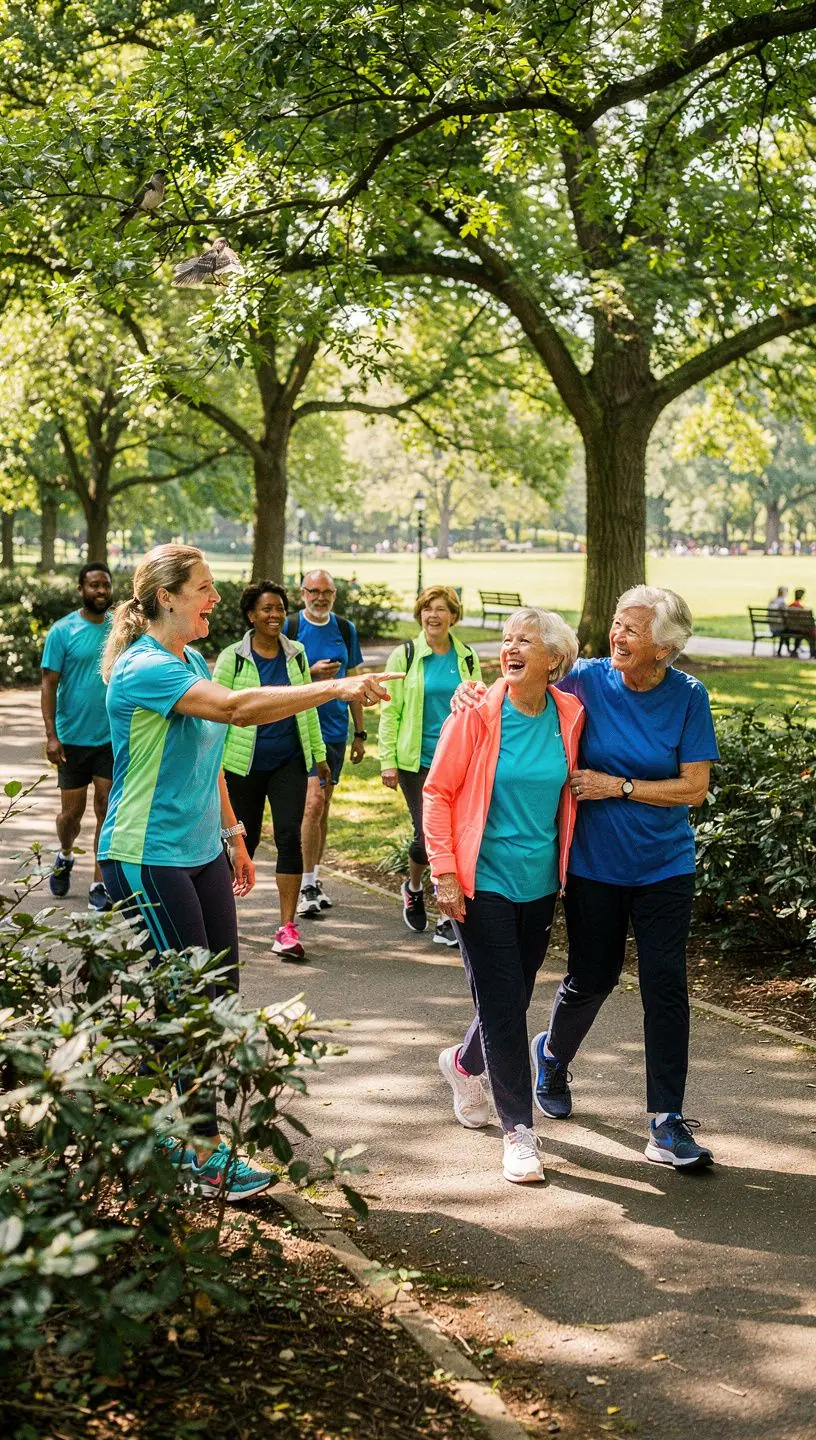
Active aging programs encompass a variety of activities aimed at promoting physical, mental, and social well-being for seniors. According to research conducted by the World Health Organization, active aging is defined as the process of optimizing opportunities for health, participation, and security to enhance the quality of life as people age. These programs typically include:
- Physical Activities: Such as yoga, swimming, and walking groups that encourage regular exercise.
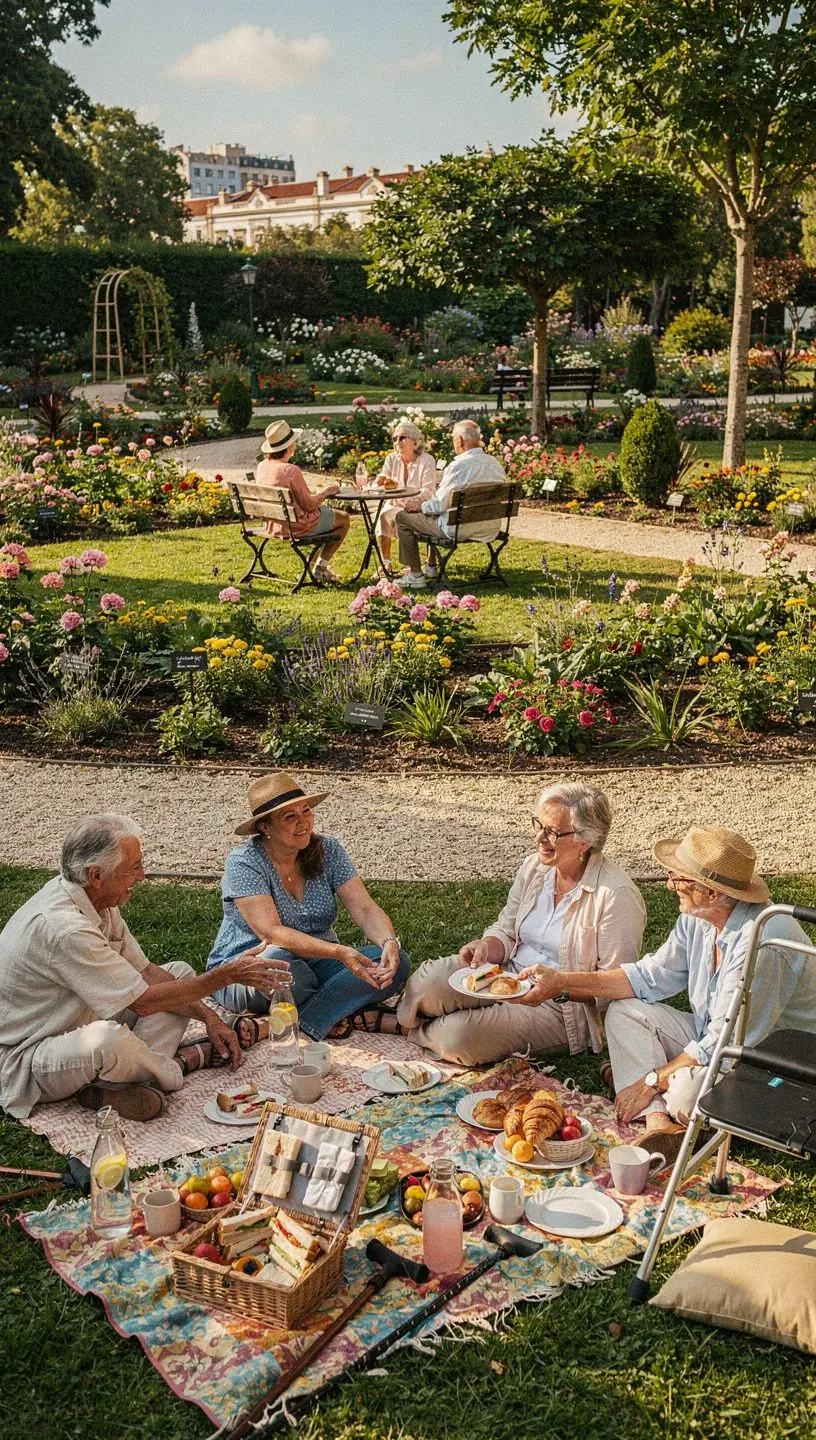
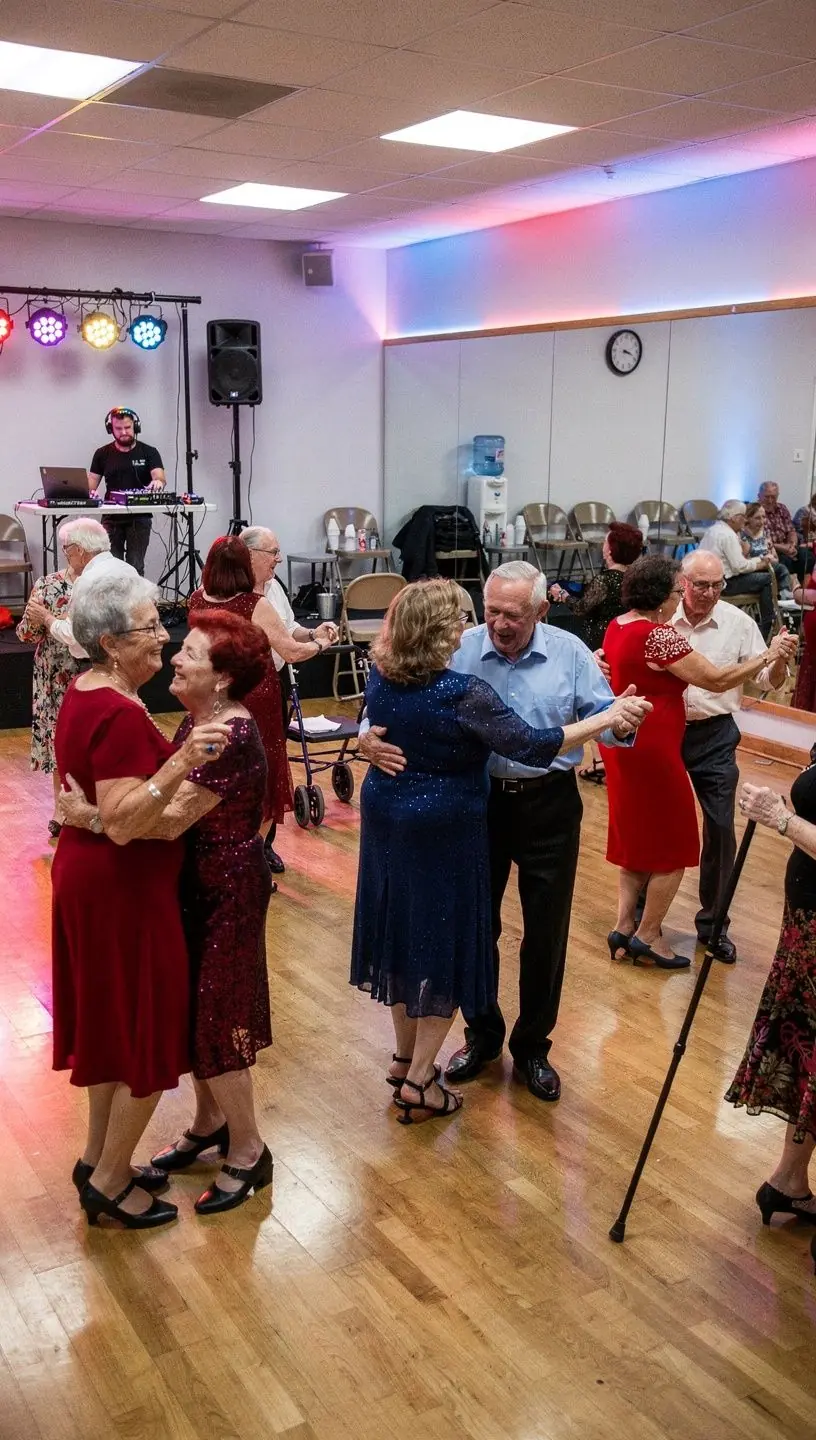
- Social Gatherings: Events like dance classes or community outings that foster social connections.
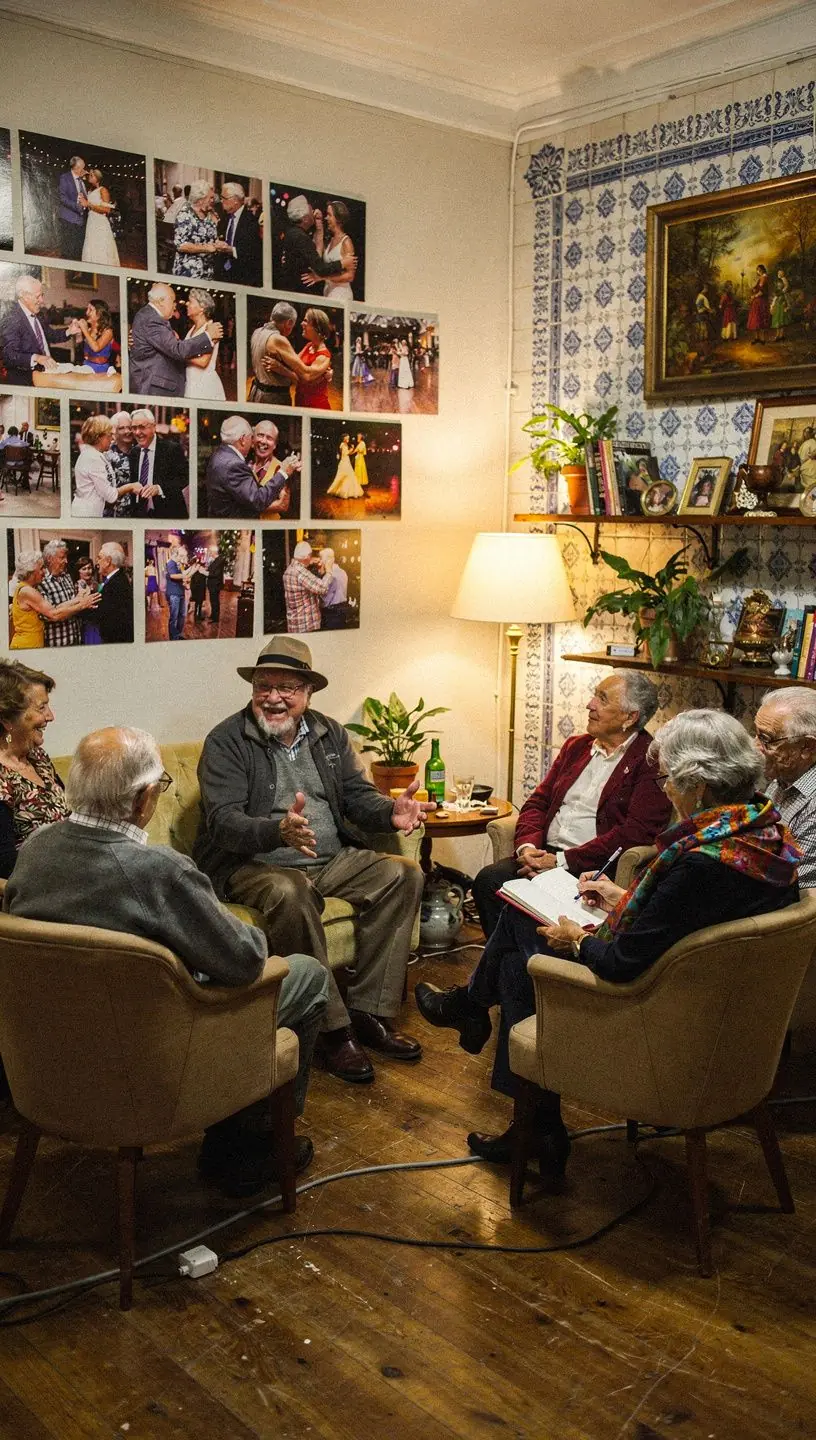
- Educational Workshops: Classes that provide learning opportunities, such as technology training or health seminars.
Key Benefits of Active Aging Programs
Engaging in active aging programs can yield numerous benefits for older adults. Here are some key advantages:
- Improved Physical Health: Studies show that regular participation in physical activities can enhance mobility and reduce the risk of chronic diseases such as diabetes and heart disease.
- Enhanced Mental Well-being: Research indicates that social interactions and engaging activities can help decrease feelings of loneliness and depression among seniors.
- Increased Cognitive Function: Many experts recommend mental stimulation through educational workshops, which may contribute to improved cognitive abilities and memory retention.
"Active aging programs can significantly enhance not only physical health but also emotional and social well-being among older adults." - Health Research Institute
How to Get Involved
Joining an active aging program typically involves a few simple steps:
- Research Local Options: Look for community centers or studios in PT that offer active aging programs tailored to your needs.
- Commit to a Schedule: Many programs require participants to commit to regular attendance, often a few times a week, to reap the full benefits.
- Stay Open to New Experiences: Engaging in different activities can help you find what you enjoy most. Be prepared for a learning curve and approach each session with an open mind.
Expectations and Limitations
While active aging programs can offer significant benefits, it is important to manage expectations. Results may typically take 3-6 months to become noticeable, especially regarding physical fitness improvements. Additionally, participation often requires dedication and consistency. Furthermore, some individuals may find certain activities more suitable than others based on personal preferences, health conditions, or prior experience.
Conclusion
Active aging programs represent a proactive approach to enhancing the quality of life for older adults through physical, social, and cognitive engagement. By understanding the benefits and committing to regular participation, individuals can look forward to a healthier, more engaged lifestyle. Remember, the key is to find the right balance of activities that work for you and to remain consistent in your efforts.
Learn More