The Role of Dance in Cognitive Health for Older Adults
As we age, maintaining cognitive health becomes increasingly important. One engaging and enjoyable way to support brain health is through dance. This article explores how dance can enhance cognitive function for older adults, providing insights into its benefits, methodologies, and practical applications.
Understanding the Connection Between Dance and Cognition
Dancing is not merely a form of artistic expression; it is also a complex activity that combines physical movement, rhythm, and social interaction. According to research, engaging in dance can stimulate various areas of the brain, potentially improving cognitive function. Studies show that activities involving both physical and mental engagement, like dance, can enhance memory and learning capabilities in older adults.
"Research indicates that dance can serve as a powerful tool for enhancing cognitive health in older adults, providing both mental and physical stimulation."
How Dance Can Enhance Cognitive Function
There are several mechanisms through which dance can contribute to cognitive health:
- Physical Activity: Regular physical activity is known to improve blood flow to the brain, which is essential for cognitive health. Dance routines often involve aerobic movements that can help maintain overall fitness.
- Mental Engagement: Learning new dance steps and routines requires mental effort, promoting neuroplasticity—the brain's ability to form new neural connections. This can help counteract cognitive decline.
- Social Interaction: Engaging in dance with others fosters social connections, which are crucial for emotional health. Studies suggest that social interaction can significantly reduce feelings of loneliness and depression, which may otherwise impact cognitive function.
Practical Application: Incorporating Dance into Daily Life
To harness the benefits of dance for cognitive health, older adults can consider the following practical applications:
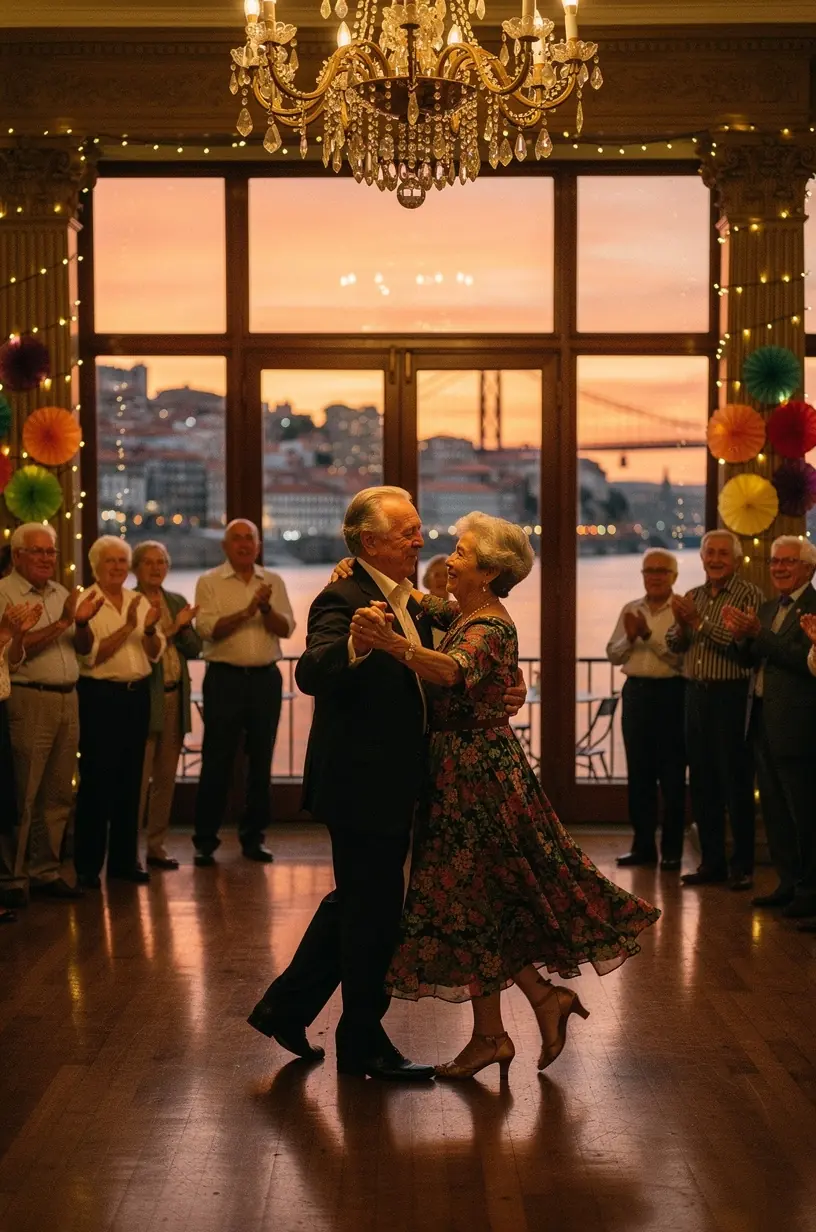
- Try joining a local dance class. Many communities offer classes specifically designed for seniors, focusing on enjoyable styles like ballroom, salsa, or line dancing.
- Consider attending weekly social dance gatherings, which not only provide physical activity but also enhance social engagement. These gatherings often allow participants to meet new friends and strengthen existing relationships.
- Engage in at-home dance routines. There are many online resources, including video tutorials and virtual classes, that cater to various skill levels. This option allows for flexibility and comfort.
Acknowledging Limitations
While dance can be beneficial, it’s important to acknowledge some limitations. For many, starting a dance practice may involve a learning curve and typically requires dedication. Results, such as improved cognitive function, may take several weeks or months of consistent participation to become noticeable. Additionally, safety should be a priority; older adults should consult with healthcare providers to ensure that any physical activity is appropriate for their health status.
Conclusion
In summary, dance is a dynamic and enjoyable way for older adults to engage their bodies and minds. Evidence suggests that incorporating dance into one’s routine may contribute positively to cognitive health, through enhanced physical fitness, mental engagement, and social interaction. By setting realistic expectations and acknowledging the time commitment required, older adults can explore the enriching world of dance while promoting their cognitive well-being.
Learn More