The Science Behind Physical Activity and Aging
Engaging in regular physical activity is crucial for healthy aging. Studies show that maintaining an active lifestyle can lead to numerous health benefits for older adults, including improved mobility, better mental health, and a lower risk of chronic diseases.
Understanding the Basics
According to research from the World Health Organization, physical activity has a profound impact on the aging process. Regular exercise can help mitigate many age-related declines in health and function. This is primarily because physical activity encourages better cardiovascular health, stronger muscles, and improved cognitive function. The principle behind this is simple: movement stimulates various biological systems that contribute to overall health.

"Regular physical activity is critical for maintaining health and well-being as we age, according to experts in gerontology."
Health Benefits of Physical Activity in Aging
Many older adults report significant improvements in their quality of life when incorporating physical activity into their routine. Some of the key benefits include:
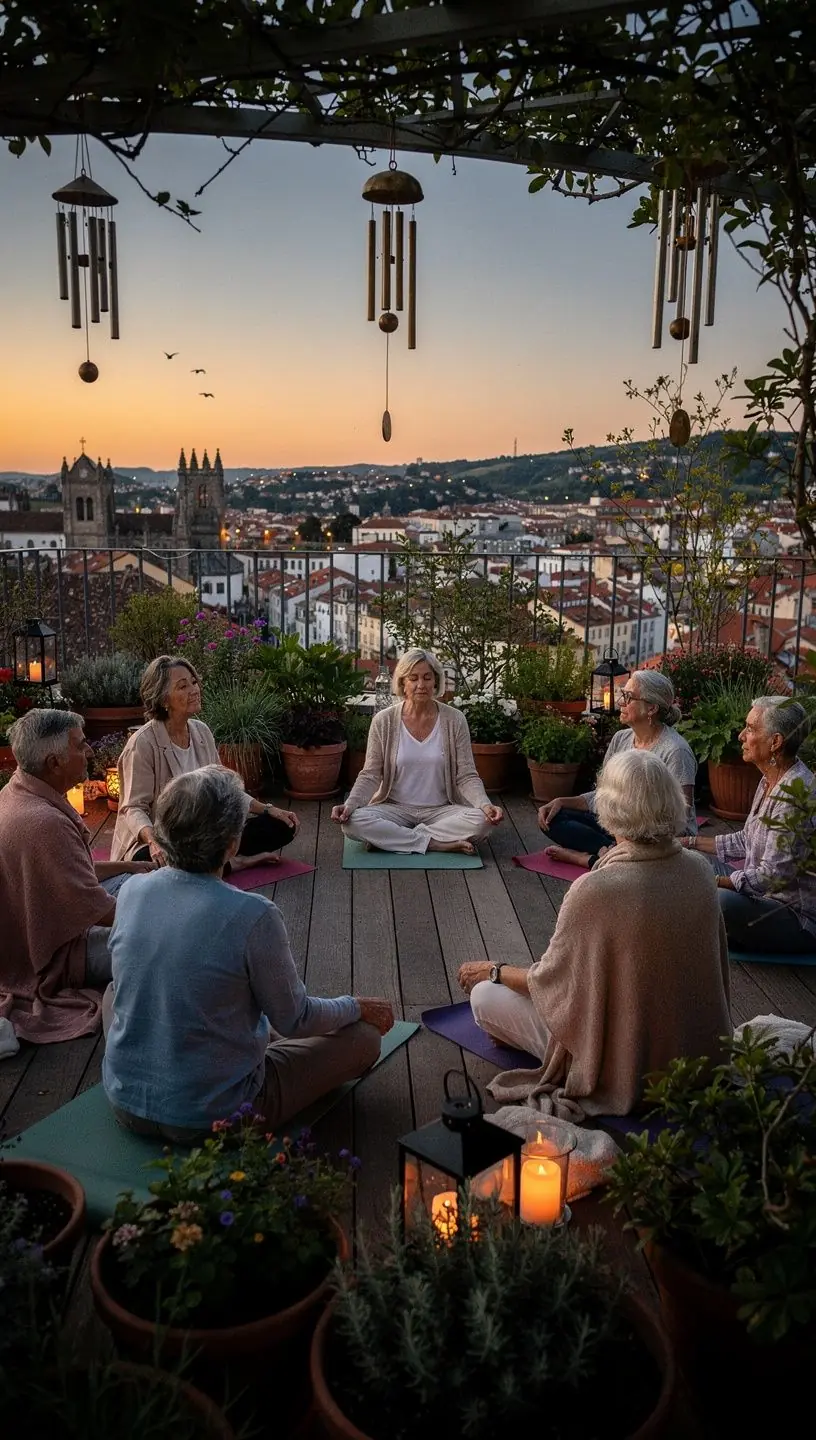
- Enhanced Mobility: Engaging in activities like walking, dancing, or yoga can improve flexibility and balance, reducing the risk of falls.
- Improved Mental Health: Research shows that physical activity can alleviate symptoms of anxiety and depression, often reported among older adults.
- Reduced Risk of Chronic Disease: Regular exercise can lower the risk of conditions such as heart disease, diabetes, and even some cancers.
Incorporating Activity into Daily Life
Incorporating physical activity into daily life does not have to be daunting. Here are some practical steps to get started:
- Set Realistic Goals: Start with small, achievable goals, such as walking for 10-15 minutes each day. Gradually increase the duration and intensity.
- Choose Enjoyable Activities: Engage in activities that you enjoy, such as dancing or swimming, which can make the experience more enjoyable and sustainable.
- Join Social Groups: Participating in group activities can enhance motivation and provide social support, making it easier to stay active. Many studios offer weekly dance gatherings that promote both physical and social engagement.
Challenges and Considerations
While physical activity is highly beneficial, it is important to acknowledge that starting a new exercise routine often involves a learning curve and requires dedication. It typically takes 2-4 weeks to see noticeable improvements, and consistency is key to achieving long-term benefits. It’s also essential to consult with a healthcare provider before beginning any new exercise program, especially for those with existing health conditions.
Conclusion
In conclusion, staying physically active is an effective approach that can help improve the quality of life for older adults. By understanding the science behind physical activity and its numerous benefits, individuals can make informed choices that support healthy aging. Remember, the journey towards an active lifestyle is a process that rewards patience and commitment.
Learn More