Practical Guide to Setting Dance Goals for Older Adults
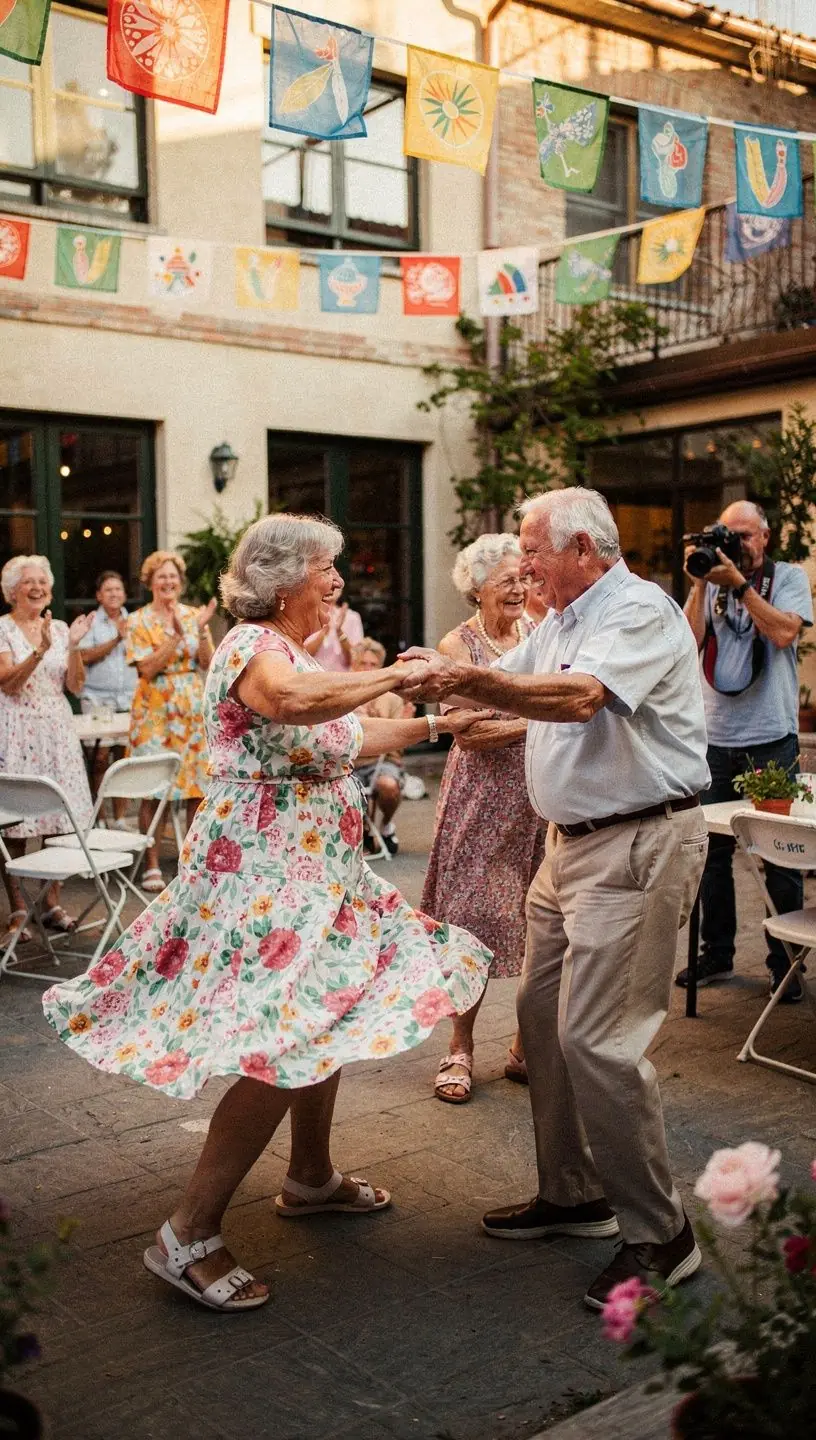
As we age, staying active becomes increasingly important for maintaining physical and mental health. Dance can be an engaging way to achieve this, offering both exercise and social interaction. This guide will provide practical steps for older adults to set realistic and achievable dance goals, enhancing their overall well-being.
Why Dance Goals Matter
Setting dance goals is crucial for older adults as it not only promotes physical fitness but also fosters a sense of community and belonging. Research indicates that participating in dance can improve balance, coordination, and flexibility, which are essential for preventing falls and maintaining independence. Experts recommend that older adults engage in at least 150 minutes of moderate-intensity aerobic activity each week, and dance can be a fun way to meet this guideline.
"Engaging in regular dance practice can significantly enhance mobility and social interaction among older adults." - Dr. Jane Miller, Geriatric Physical Therapist
Setting Realistic and Achievable Dance Goals
Creating effective dance goals involves several key steps that are tailored to the individual’s needs and capabilities. Here’s a practical approach:
- Assess Your Current Level: Start by evaluating your current physical abilities and any health considerations. This might involve consulting with a healthcare professional to identify any limitations or special needs.
- Define Clear Objectives: Goals should be specific, measurable, attainable, relevant, and time-bound (SMART). For instance, instead of saying "I want to dance more," a SMART goal would be "I will attend a dance class twice a week for the next month."
- Choose the Right Style: Select a dance style that interests you and aligns with your fitness level. Whether it's ballroom, line dancing, or Zumba, find a genre that excites you to keep you motivated.
- Track Your Progress: Keep a journal or use a mobile app to log your dance sessions and progress. This helps in maintaining motivation and adjusting goals as needed.
- Include Social Elements: Consider joining a dance group or class. Many users report that socializing with peers enhances their commitment to maintaining their dance goals.
Anticipating Challenges
While setting goals is essential, it is equally important to acknowledge potential challenges. Dance programs typically require regular attendance and practice, which can be demanding for some. According to studies, many older adults may face mobility issues or lack confidence in their abilities. Therefore, starting with short sessions and gradually increasing participation can be an effective strategy.
Conclusion
Setting dance goals can be a rewarding experience for older adults, contributing to improved physical health and social interaction. By following the structured approach outlined in this guide, individuals can create meaningful objectives that encourage consistency and enjoyment in dance. Remember, the journey of engaging in dance should be enjoyable, with successes celebrated, no matter how small. With dedication and realistic planning, the benefits of dancing can be both enriching and transformative.
Learn More