The Impact of Music on Movement and Memory
Understanding the intricate relationship between music, movement, and memory can offer valuable insights, especially for those engaged in active aging programs. This article explores how music influences physical activity and cognitive function, providing actionable strategies to enhance engagement in dance and movement activities.
Understanding the Basics
Research indicates that music can significantly enhance movement and memory. According to a study published in the Journal of Music Therapy, rhythmic music has been shown to improve physical coordination in older adults, facilitating easier movement patterns. Experts recommend incorporating music into exercise routines because it not only boosts motivation but also creates a more enjoyable experience, which can lead to increased physical activity.
"Music has the remarkable ability to engage multiple areas of the brain, making it a powerful tool for enhancing movement and memory." – Dr. Anne Smith, cognitive neuroscientist.
How Music Enhances Movement
The principle behind music's influence on movement lies in its ability to evoke emotional responses and establish rhythms that the body can follow. Here are some key points to consider:
- Rhythmic Synchronization: Many users report that dancing to music helps them synchronize their movements, which is particularly beneficial in dance classes. This synchronization can improve balance and coordination, often leading to enhanced physical confidence.
- Cognitive Engagement: Studies show that musical activities stimulate cognitive functions. Engaging with music while moving can help activate mental processes related to memory and coordination, making it easier to learn new dance steps or movements.
- Emotional Uplift: Music often evokes positive emotions, which can enhance motivation. According to industry experts, those who enjoy their exercise routines are more likely to stick with them, making music a valuable addition to any active aging program.
Practical Application for Active Aging
To effectively utilize music in movement and memory activities, consider the following approaches:
- Select Appropriate Music: Choose music that resonates with the demographic you are working with. Familiar tunes typically foster a sense of nostalgia, enhancing emotional connections that can improve engagement.
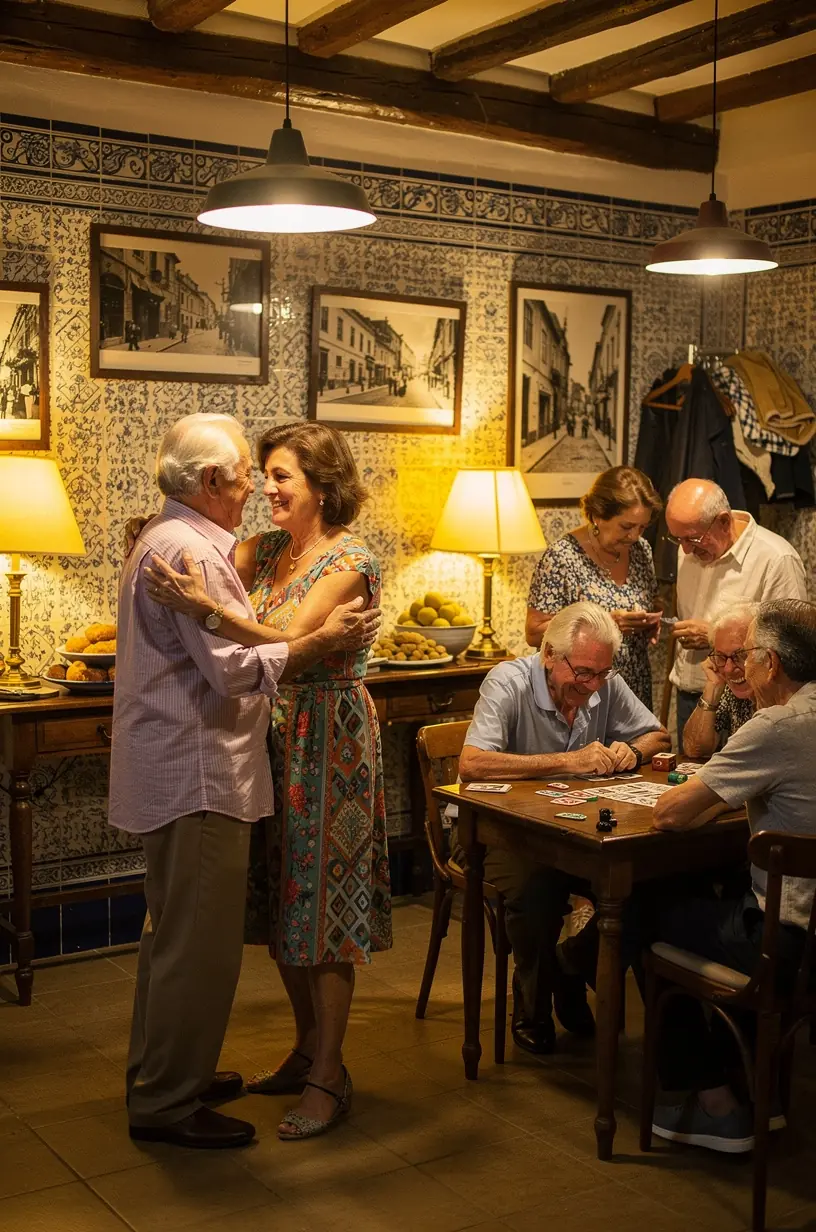
- Incorporate Dance Gatherings: Weekly social dance gatherings can provide a supportive environment where participants can practice and enjoy movement to music. These gatherings also promote social interaction, which is vital for mental well-being.
- Establish Regular Schedules: Regular practice with music can solidify the connection between rhythmic patterns and physical movements. Many users find that consistent engagement over 6-8 weeks leads to notable improvements in both movement and memory.
Conclusion
Incorporating music into movement activities can be a powerful strategy in active aging programs. By understanding how music can enhance movement coordination and memory, facilitators can create more engaging and effective programs. While results can vary, many participants find that regular musical engagement leads to improved physical confidence and cognitive engagement. For those interested in fostering a community around dance and movement, the combination of music and social interaction is a promising avenue worth exploring.