The Role of Coaches in Active Aging Success
As we age, staying active and engaged becomes increasingly important for both physical and mental well-being. Coaches play a pivotal role in facilitating this journey through tailored programs and social activities. Understanding how coaches contribute to active aging can empower individuals to make informed decisions about their health.
Understanding the Basics
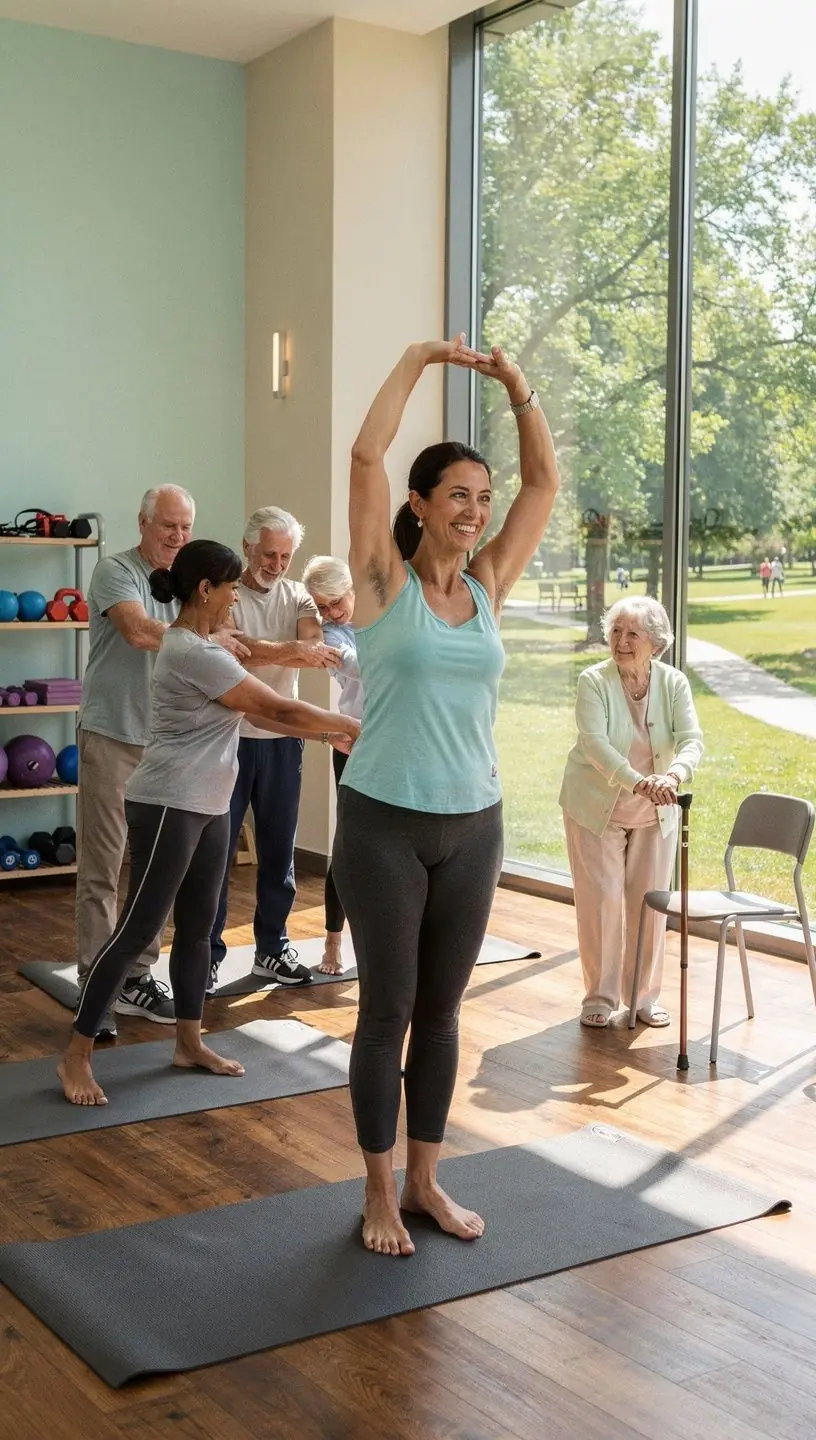
The primary function of an active aging coach is to provide personalized support. According to studies, a tailored approach can significantly improve outcomes for older adults looking to maintain their health. Coaches work with clients to develop individualized plans that often include exercise regimens, nutritional guidance, and social engagement strategies. This works because a one-size-fits-all approach often fails to address specific needs related to age, fitness level, and health conditions.
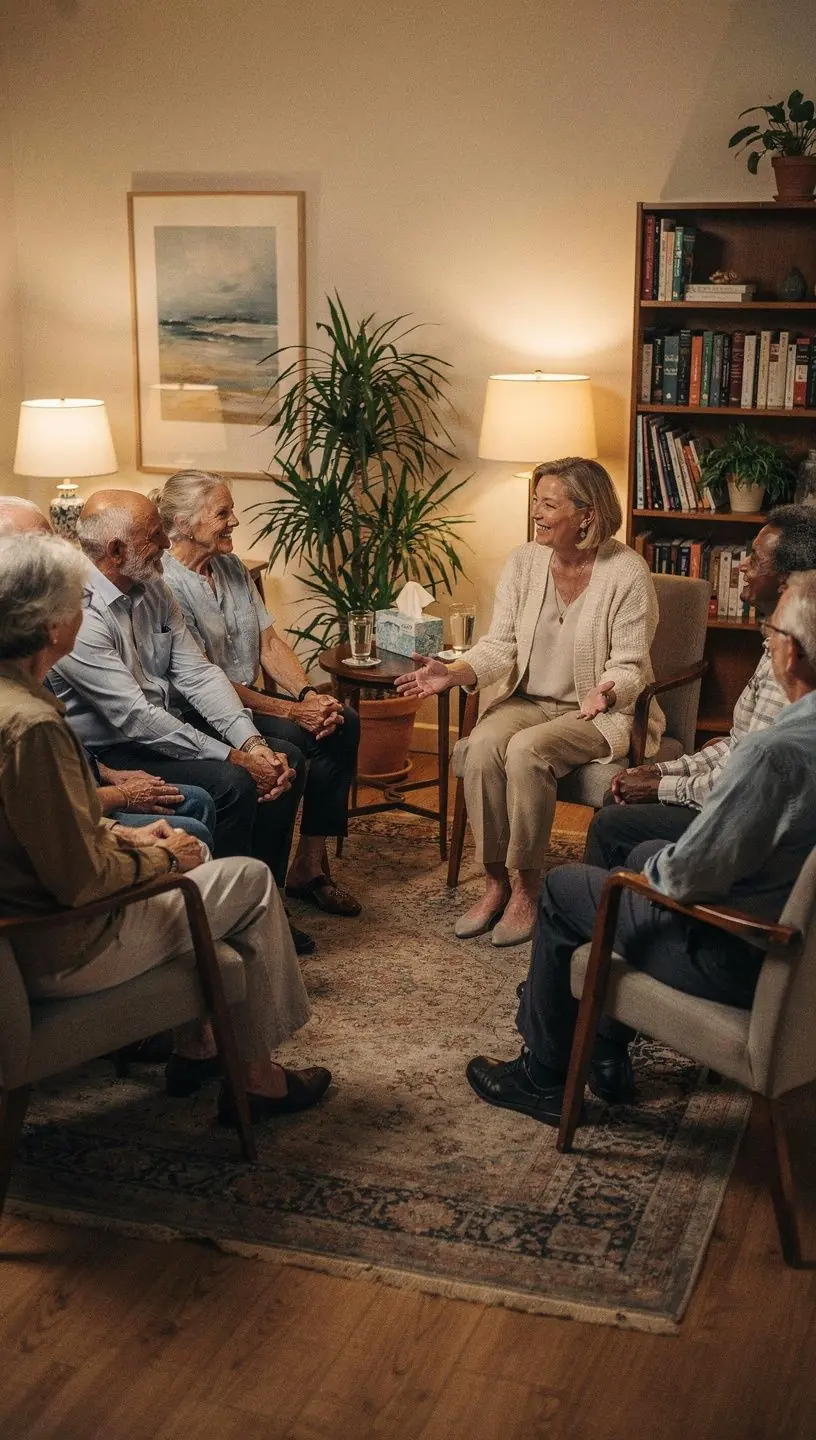
"Personalized coaching can lead to better adherence to physical activity programs, which is crucial for older adults." - Dr. Anya Mendez, Health & Aging Researcher
Coaching Methodologies and Techniques
Active aging coaching typically involves several methodologies that can enhance participants' experiences and outcomes:
- Assessment and Goal Setting: Coaches often start by assessing an individual's current fitness level, health status, and personal goals. This step is crucial, as it informs the direction of the coaching plan.
- Education on Healthy Aging: Coaches provide information about the aging process and how to maintain physical and cognitive health. Industry experts suggest that understanding the science behind aging can motivate individuals to adhere to healthy practices.
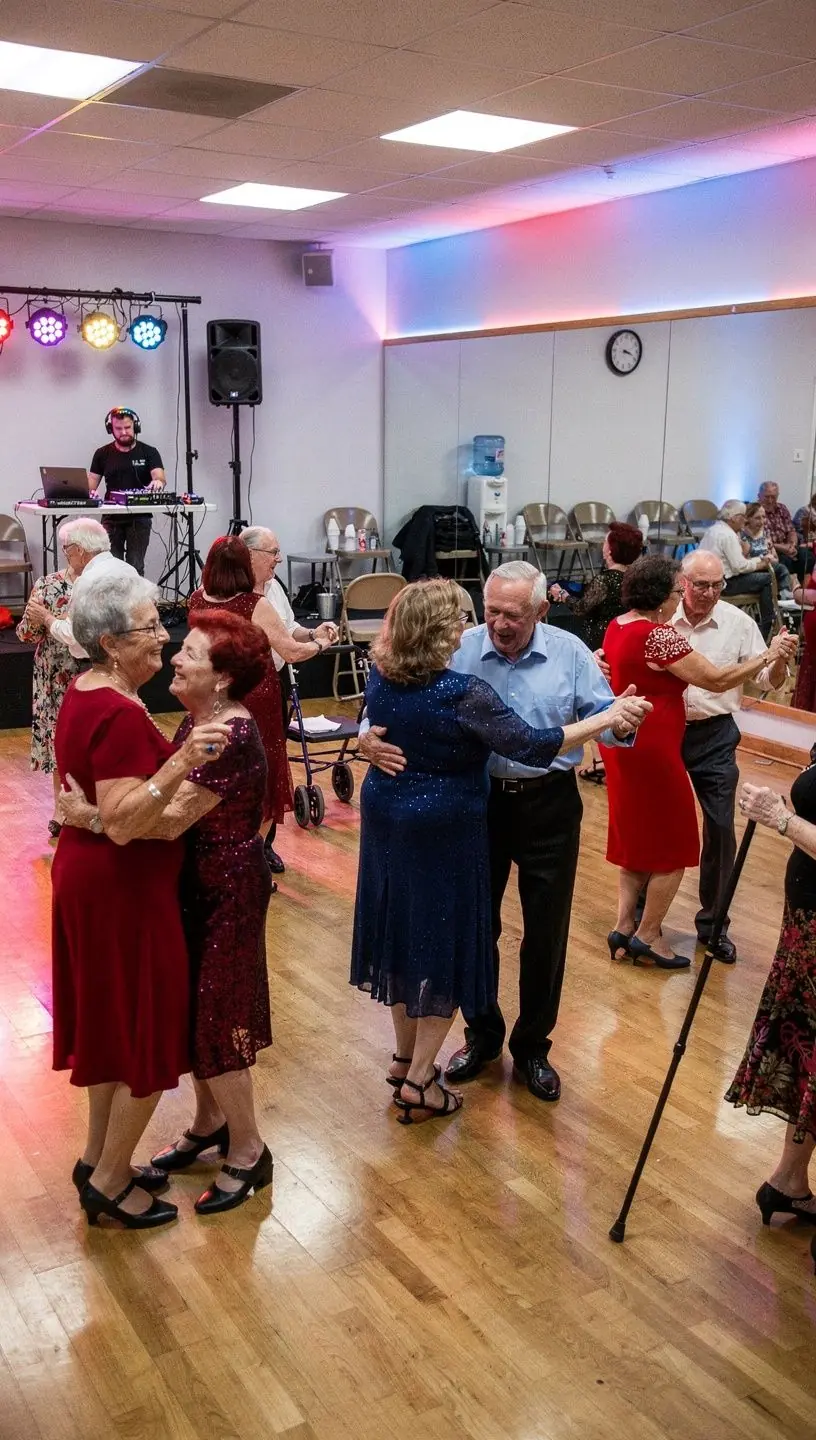
- Social Integration: Facilitating social dance gatherings or group activities not only promotes physical activity but also fosters a sense of community. Research indicates that social interactions can improve mental health and reduce feelings of isolation.
Acknowledging Limitations
While coaching can be beneficial, it is essential to recognize that success often requires commitment and effort. For instance, participants typically see improvements within 3-6 months, but this can vary based on individual circumstances. Furthermore, coaching programs may involve a learning curve, particularly for those who are new to exercise or social activities.
It is also important to note that coaching may not be suitable for everyone. Individuals with severe mobility limitations or specific medical conditions may need alternative forms of support. Consulting with healthcare providers prior to starting any new program is advisable.
Conclusion
The contribution of coaches in active aging is invaluable. They provide tailored guidance that addresses individual needs and fosters a supportive community. By understanding the roles, methodologies, and limitations of coaching, older adults can better navigate their active aging journey. Ultimately, engaging in structured programs led by knowledgeable coaches can empower individuals to enhance their quality of life as they age.
Learn More