How Adaptation Programs Support Mobility in Seniors
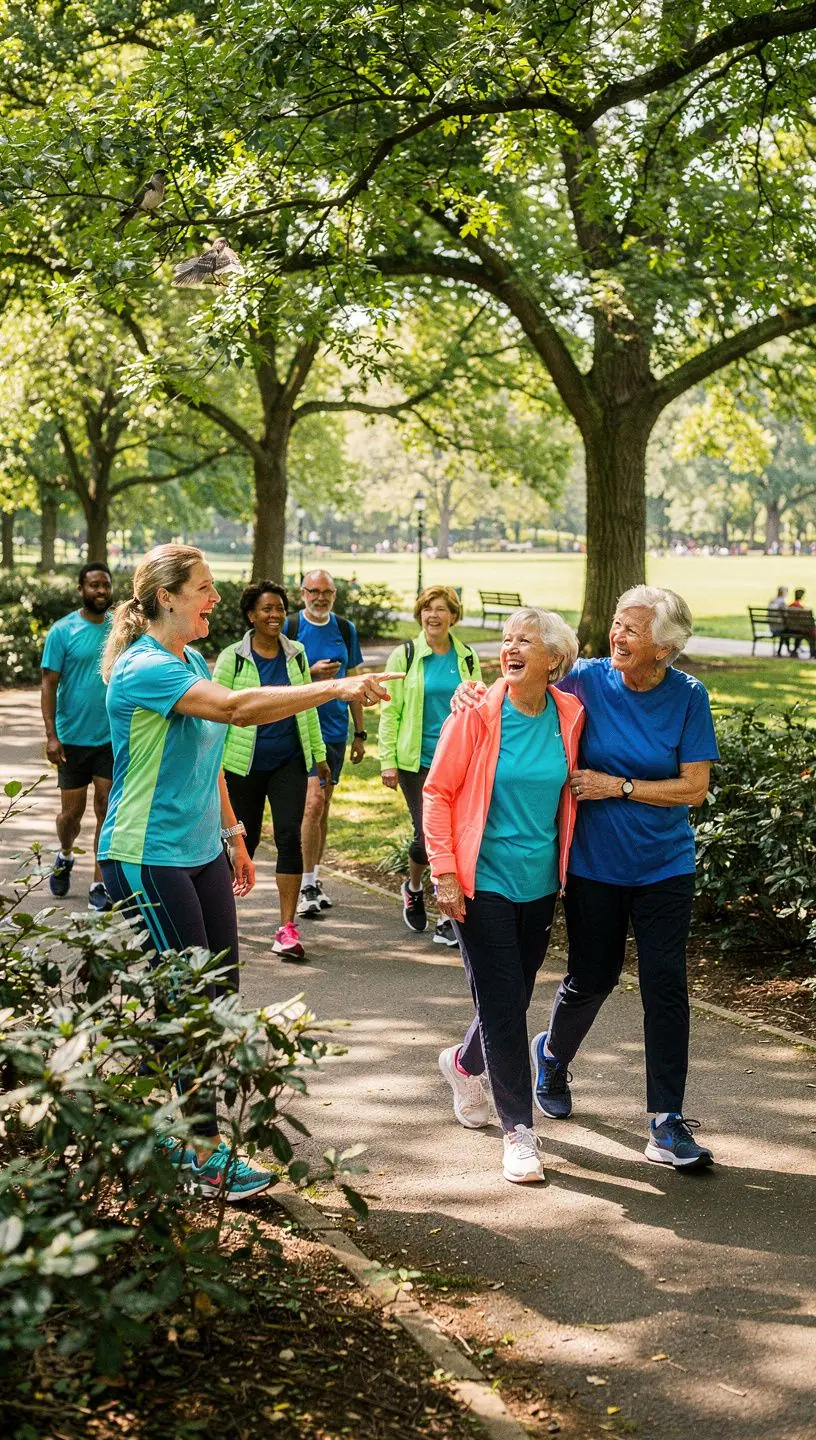
As we age, maintaining mobility becomes increasingly important for overall health and well-being. Adaptation programs designed specifically for seniors can play a crucial role in enhancing mobility, improving balance, and promoting an active lifestyle. In this article, we will explore how these programs work, the benefits they offer, and what seniors can expect when participating in them.
Understanding Adaptation Programs
Adaptation programs typically involve tailored exercise routines and activities that consider the unique physical abilities and needs of older adults. According to research published by the American Journal of Preventive Medicine, engaging in regular physical activity has been shown to reduce the risk of falls by 30-40% among seniors.
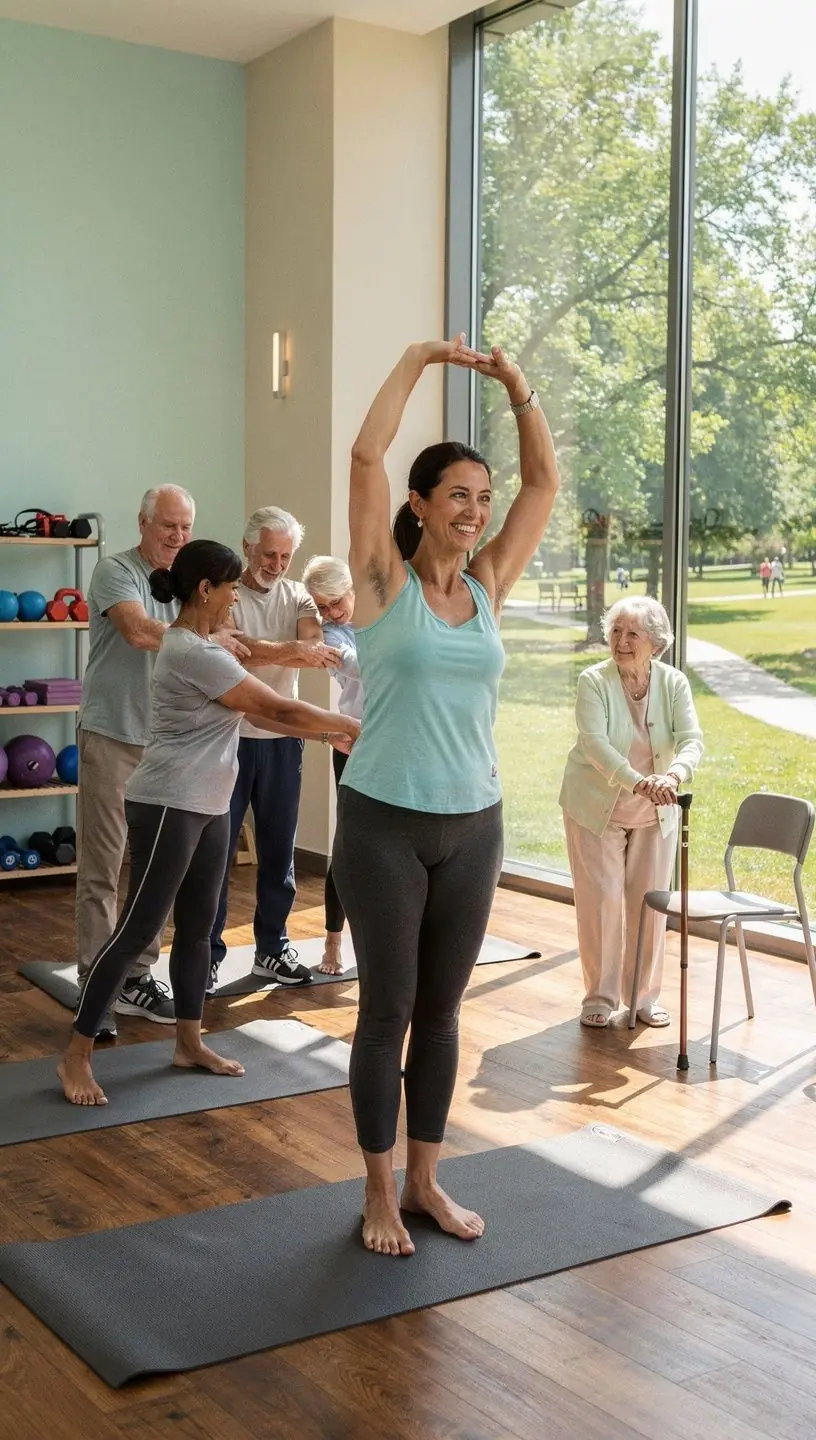
"Regular physical activity can significantly enhance mobility and reduce the risk of falls in seniors, according to industry experts."
Key Components of Successful Programs
Effective adaptation programs often include the following components:
- Strength Training: Many studies indicate that resistance training can help improve muscle strength, which is essential for maintaining mobility.
- Balance Exercises: Incorporating activities that focus on balance can help seniors prevent falls, a leading cause of injury in older adults.
- Flexibility Training: Stretching exercises can enhance flexibility and joint mobility, making it easier for seniors to perform daily tasks.
How Adaptation Programs Work
The principle behind adaptation programs is to create a supportive environment where seniors can safely engage in physical activity. Typically, these programs:
- Assess the individual’s current physical condition to create a personalized plan.
- Incorporate gradual progression to build strength and confidence over time.
- Provide ongoing support and motivation through group classes or one-on-one sessions.
In most cases, participants begin to notice improvements in their mobility within 4-6 weeks, as they become more accustomed to the exercises and increase their physical capabilities.
Acknowledging Limitations
While adaptation programs can be beneficial, they do require a commitment to regular participation—typically two to three times per week. Furthermore, individuals with certain medical conditions may need to consult with a healthcare provider before starting any new exercise regimen. It’s important to recognize that these programs are designed to complement existing health strategies and shouldn't replace professional medical advice.
Conclusion
In summary, adaptation programs offer a reliable approach to enhancing mobility in seniors. By focusing on tailored exercises that address strength, balance, and flexibility, these programs can lead to improved quality of life and greater independence. While results may vary, those who commit to participating can expect to see significant benefits over time. For seniors interested in staying active, joining a local adaptation program or social dance gathering can be a great way to engage with others while working toward improved mobility.