How to Create a Supportive Active Aging Environment
As the population ages, fostering environments that support active aging becomes increasingly crucial. This article explores effective strategies for creating a supportive atmosphere that encourages engagement and participation among older adults.
Understanding the Active Aging Concept
Active aging refers to the process of optimizing opportunities for health, participation, and security in order to enhance quality of life as people age. According to the World Health Organization, active aging encompasses health promotion, social engagement, and community involvement. Creating a supportive environment is essential for facilitating these aspects and encouraging older adults to remain active.
"Creating supportive environments can lead to improved health outcomes for older adults, as evidenced by various studies in gerontology."
Key Elements of a Supportive Active Aging Environment
To effectively support active aging, consider incorporating the following elements:
- Accessibility: Ensuring that physical spaces, such as studios and community centers, are easily navigable for individuals with mobility challenges is crucial. Research suggests that accessible environments can significantly reduce barriers to participation.
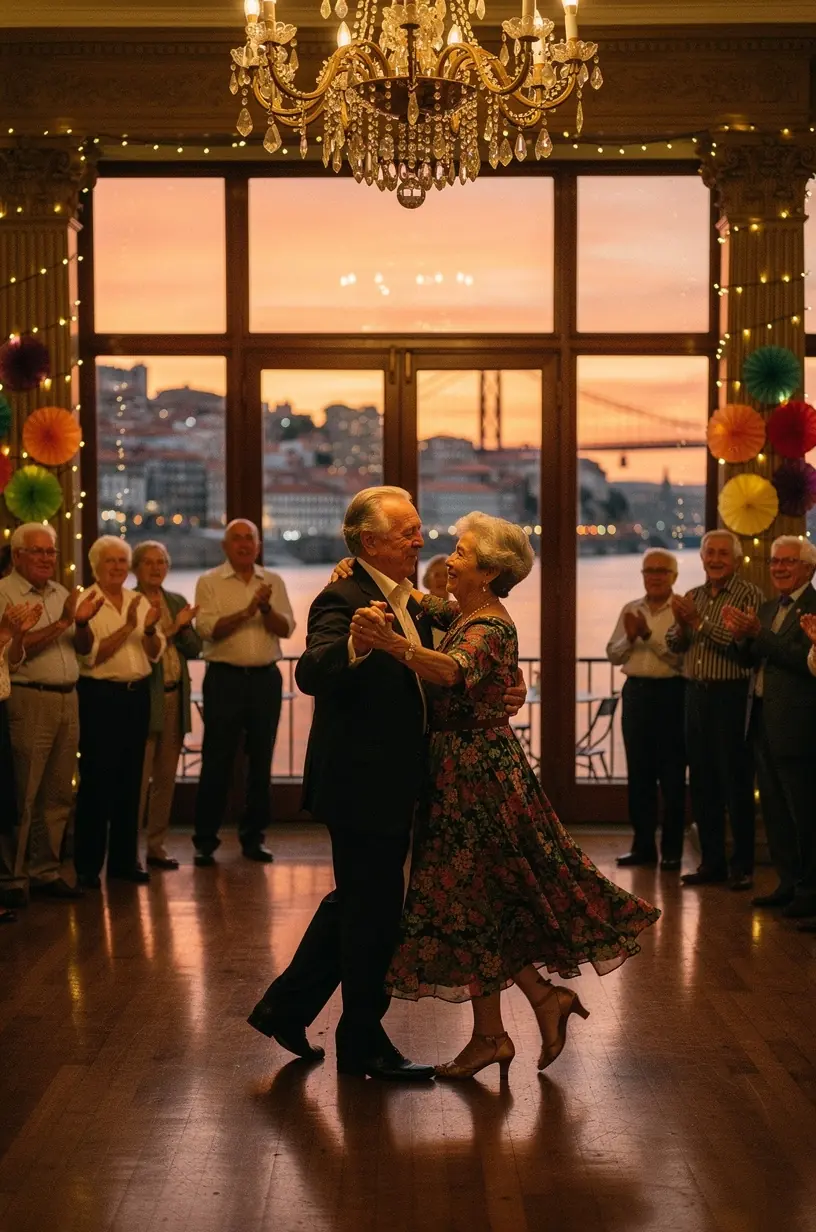
- Social Connection: Engaging in social activities, like weekly dance gatherings, can promote mental and emotional well-being. Studies show that social interaction is linked to lower risks of depression and cognitive decline in older adults.
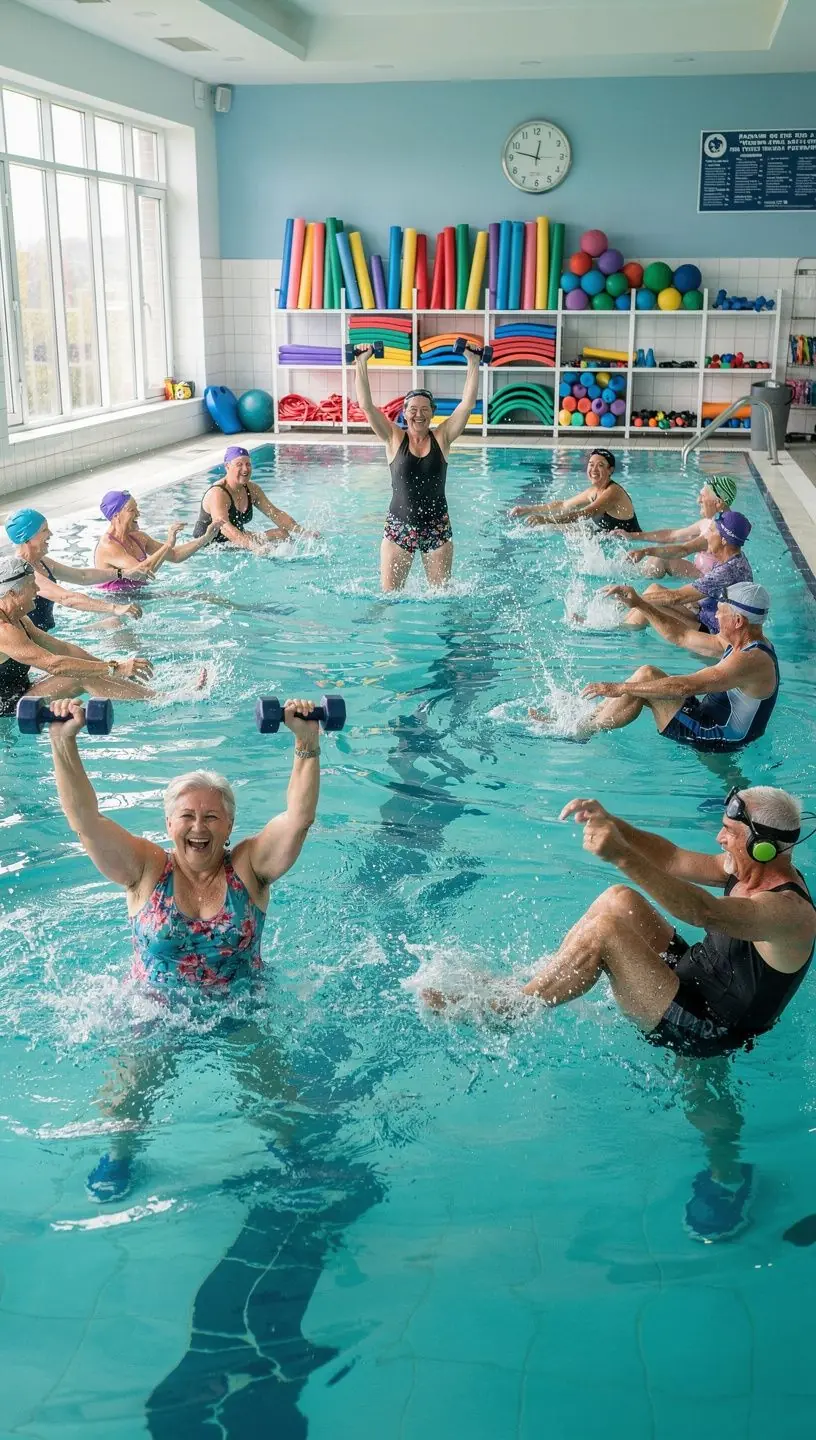
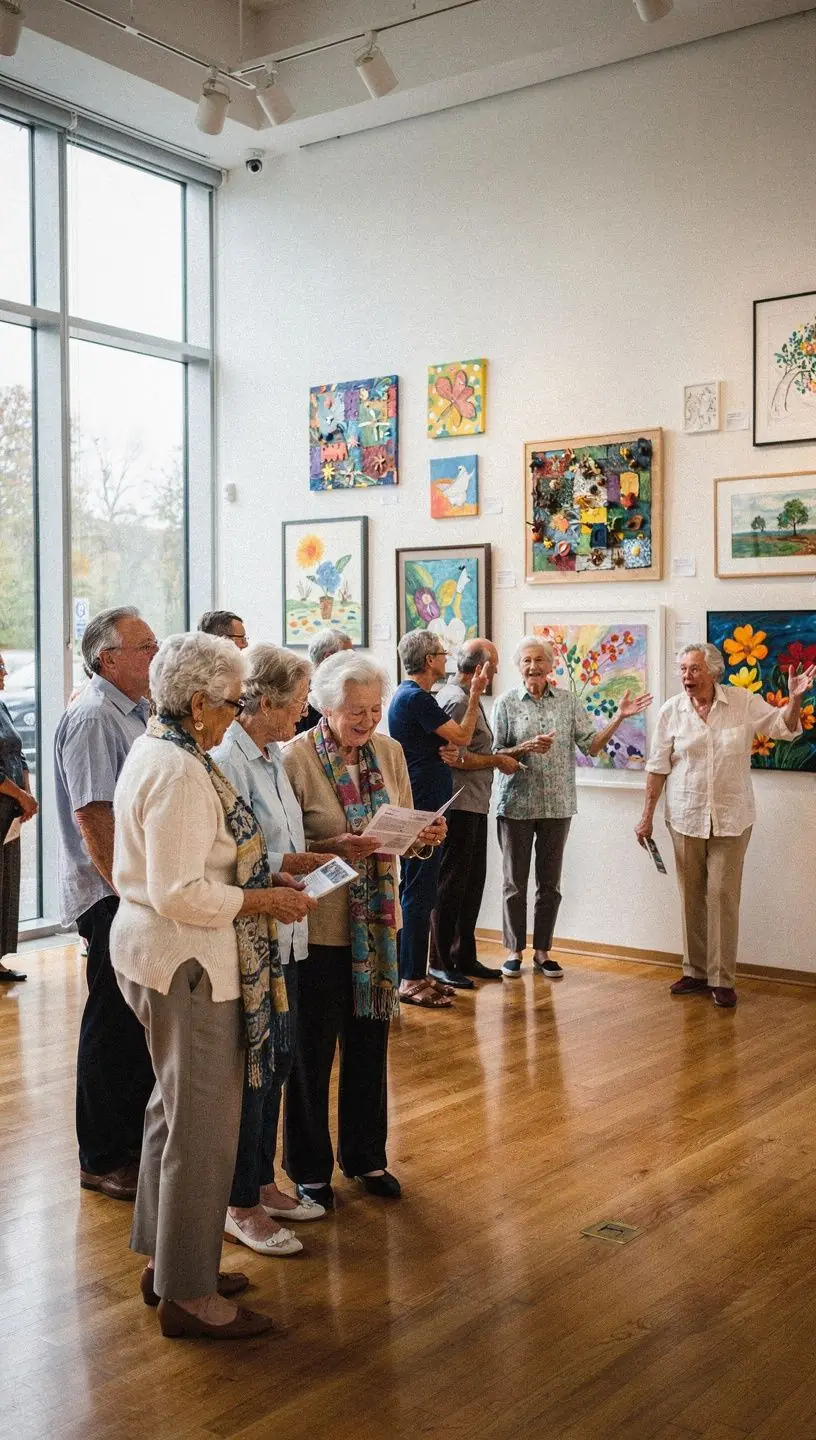
- Inclusive Programming: Providing diverse activities that cater to various interests and abilities enhances participation. Experts recommend incorporating fitness programs, creative workshops, and skill-building classes to attract a wider audience.
Implementing Practical Strategies
Here are some practical steps to create a supportive environment:
- Assess Needs: Conduct surveys or focus groups within your community to identify the specific interests and needs of older adults. This process typically requires engagement over a few weeks to gather meaningful data.
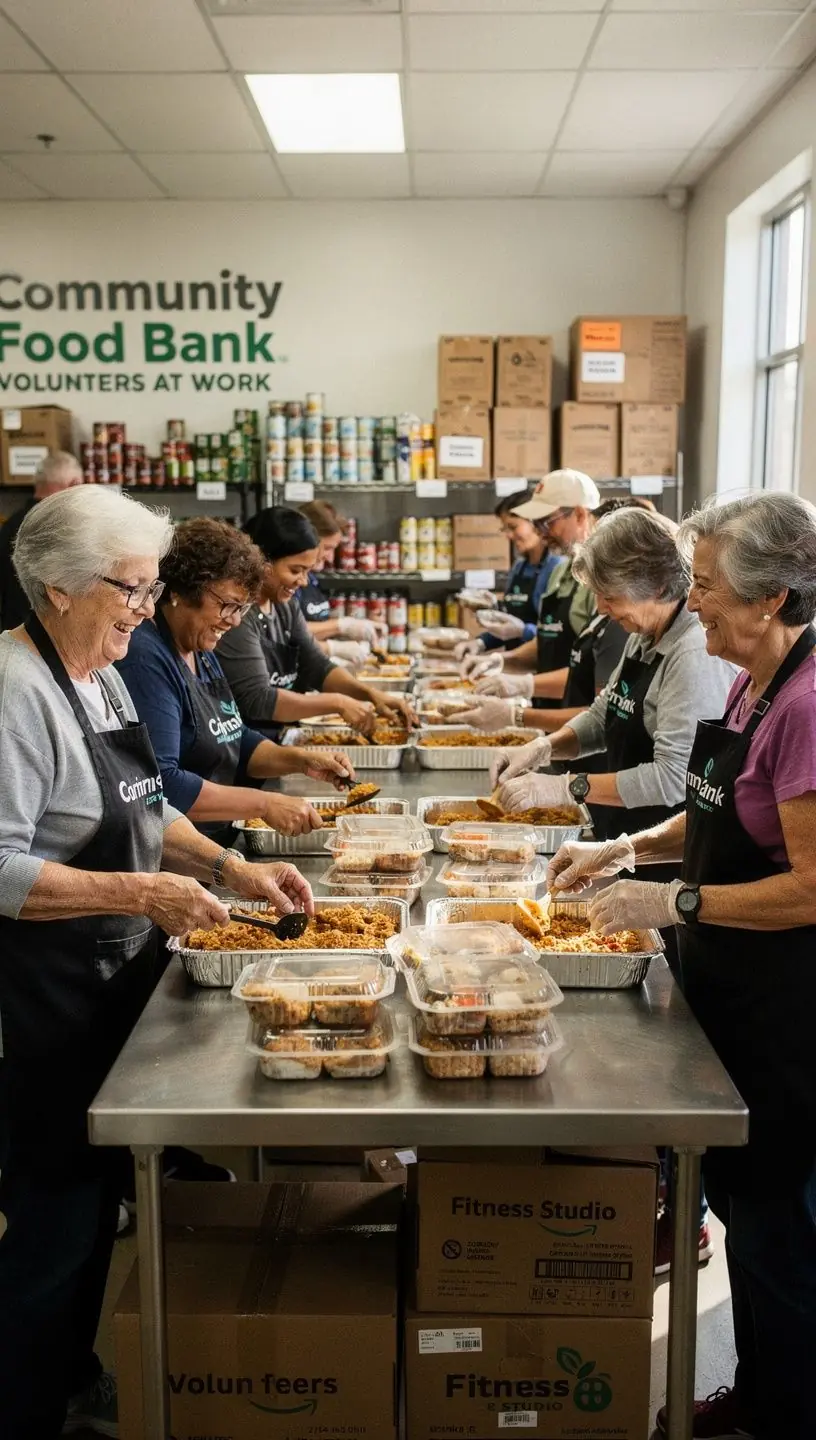
- Facilitate Training: Train staff and volunteers on age-friendly practices and communication strategies. Ongoing training sessions can help ensure that staff are equipped to create welcoming environments.
- Promote Events: Leverage social media and community boards to promote social events and programs. Regularly sharing success stories from participants can encourage others to join.
Conclusion
Creating a supportive active aging environment is a multifaceted process that requires dedication and careful planning. By focusing on accessibility, fostering social connections, and implementing inclusive programming, communities can enhance the quality of life for older adults. Results from these efforts typically become evident within a few months as engagement increases and participants report higher satisfaction levels. Prioritizing educational value and practical insights will help ensure that everyone benefits from the initiatives designed for active aging.