Tips for Overcoming Barriers to Active Aging
Active aging is essential for maintaining physical and mental health as we age. However, many individuals face barriers that can hinder their ability to engage in physical activities and social interactions. This article offers practical tips to help overcome these challenges and enhance your journey towards active aging.
Understanding the Barriers
Barriers to active aging can often stem from various sources, including physical limitations, lack of motivation, and social isolation. According to research conducted by the National Institute on Aging, many older adults express concerns about safety in physical activities, which can prevent them from engaging fully. Understanding these barriers is the first step in overcoming them.
"Recognizing the barriers you face is essential to finding effective solutions that promote active aging."
Practical Strategies to Overcome Barriers
- Set Realistic Goals: It is essential to create achievable goals that align with your current capabilities. Experts recommend starting with small, incremental goals that can boost confidence and motivation. For instance, aiming for a 10-minute daily walk can be a good start.
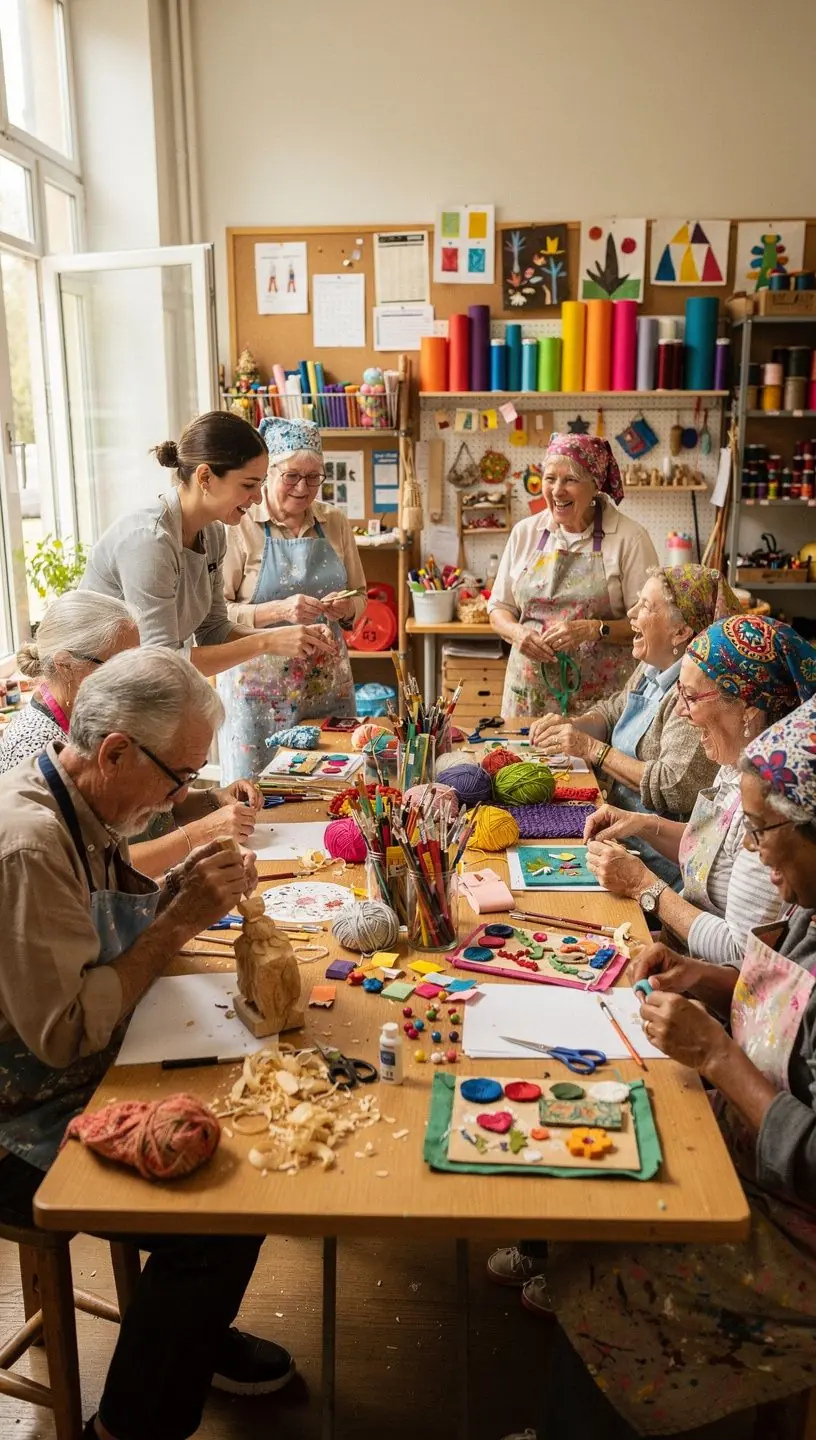
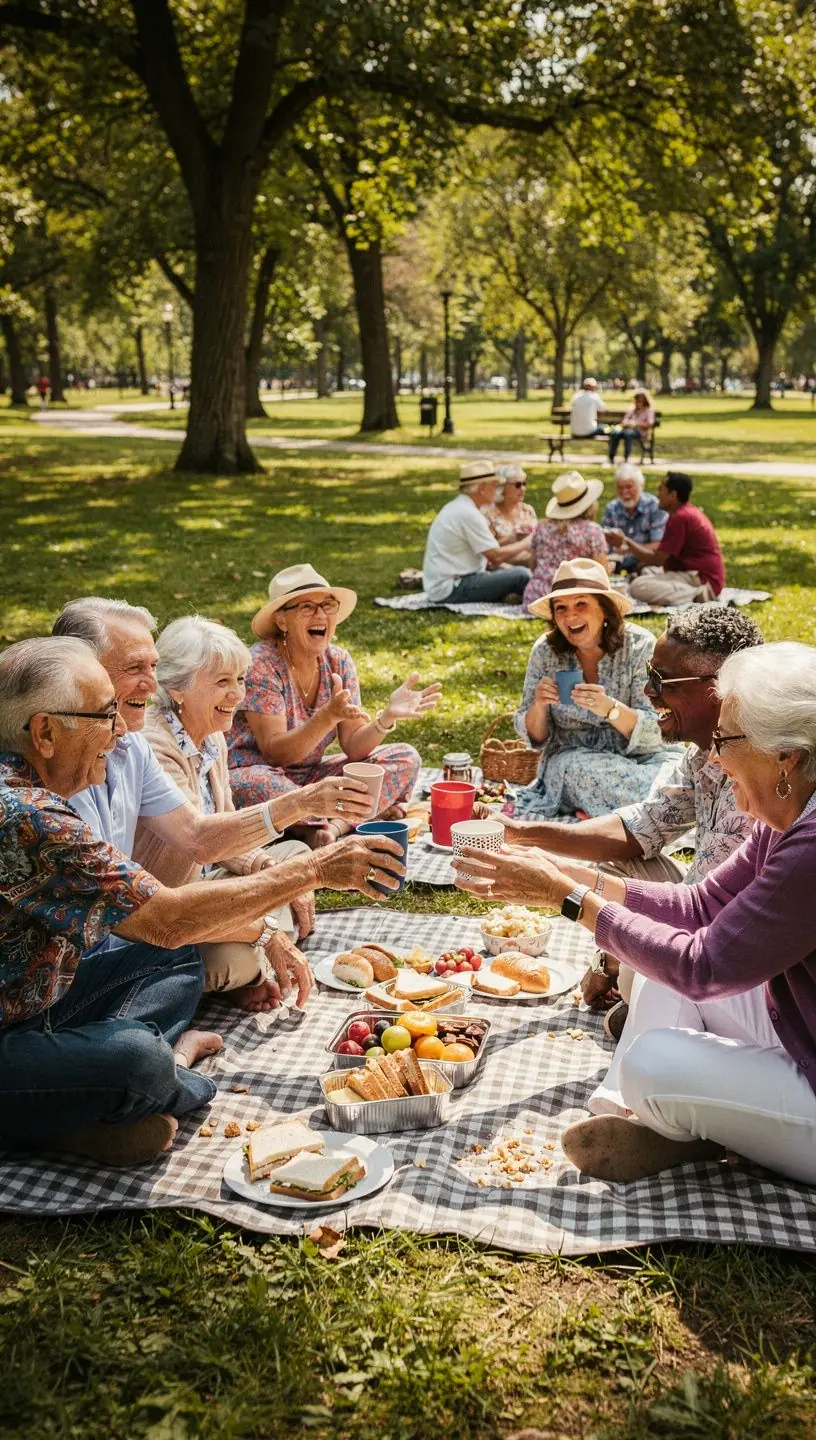
- Participate in Social Activities: Engaging with others can significantly enhance motivation and enjoyment. Many users report that joining group classes or social dance gatherings at local studios has improved their commitment to staying active. Aim to attend at least one social event per week.
- Seek Professional Guidance: Working with a coach or trainer who specializes in active aging can provide personalized advice and techniques tailored to your needs. Research indicates that individuals who receive structured support often experience better outcomes in maintaining physical activity levels.
Creating a Supportive Environment
Building a supportive environment is crucial for fostering active aging. Here are several ways to enhance your surroundings:
- Modify Your Home: Ensure your home is conducive to physical activity by removing hazards and making space for movement. Simple modifications, like adding handrails or clearing walking paths, can make a significant difference.
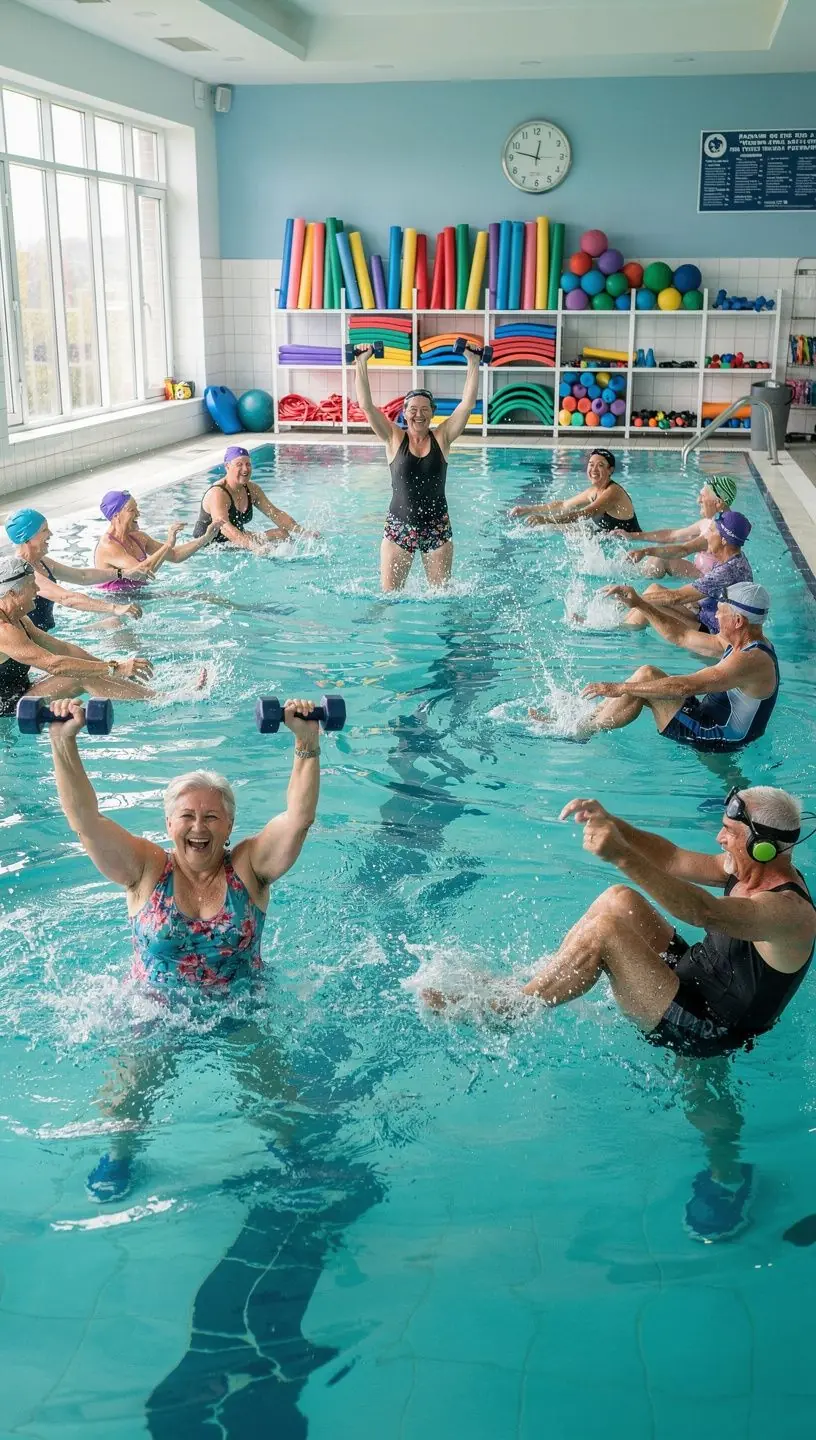
- Find Community Resources: Look for local programs that offer fitness classes, dance sessions, or workshops aimed at older adults. Many communities have adapted their offerings to be more inclusive for varying abilities.
- Encourage Family Engagement: Involve family members in your active aging journey. Many studies show that social support from family can enhance motivation and consistency in physical activities.
Conclusion
Overcoming barriers to active aging requires a combination of realistic goal-setting, social engagement, and environmental adjustments. By understanding the challenges and implementing these practical strategies, you can foster a more active and fulfilling lifestyle. Remember, the journey is a gradual process that typically takes time and dedication, but the benefits to your overall well-being can be profound.
Learn More