The Connection Between Dance and Emotional Well-Being
Engaging in dance is not just a creative outlet; it can also significantly enhance emotional well-being. This article explores how dance, especially in social settings, can improve mental health and foster connections among participants, leading to a more fulfilling lifestyle.
Understanding the Emotional Benefits of Dance
Research indicates that participation in dance activities can lead to various emotional benefits. According to a study published in the American Journal of Dance Therapy, individuals who engage in regular dance report higher levels of mood improvement and emotional expression. This is often attributed to the combination of physical activity, social interaction, and creative expression involved in dance.
"Dance has the power to transform emotions, creating a sense of joy and community among participants." - Experts in mental health and dance therapy
How Dance Enhances Emotional Health
Several mechanisms explain how dance can positively affect emotional well-being:
- Physical Activity: Engaging in dance often involves aerobic movements, which can lead to the release of endorphins, commonly known as 'feel-good' hormones. Studies show that even moderate exercise can alleviate symptoms of anxiety and depression.
- Social Interaction: Dance classes and gatherings provide opportunities for socialization. According to the Journal of Aging Research, regular social interaction can reduce feelings of loneliness and enhance cognitive function in older adults.
- Creative Expression: Dance allows individuals to express themselves creatively. This form of expression can serve as a therapeutic outlet, helping participants process emotions they may find difficult to articulate verbally.
Practical Application in Active Aging Coaching
At our active aging coaching studios, we offer tailored dance adaptation programs designed specifically for older adults. These programs not only focus on improving physical fitness but also aim to foster emotional health through:
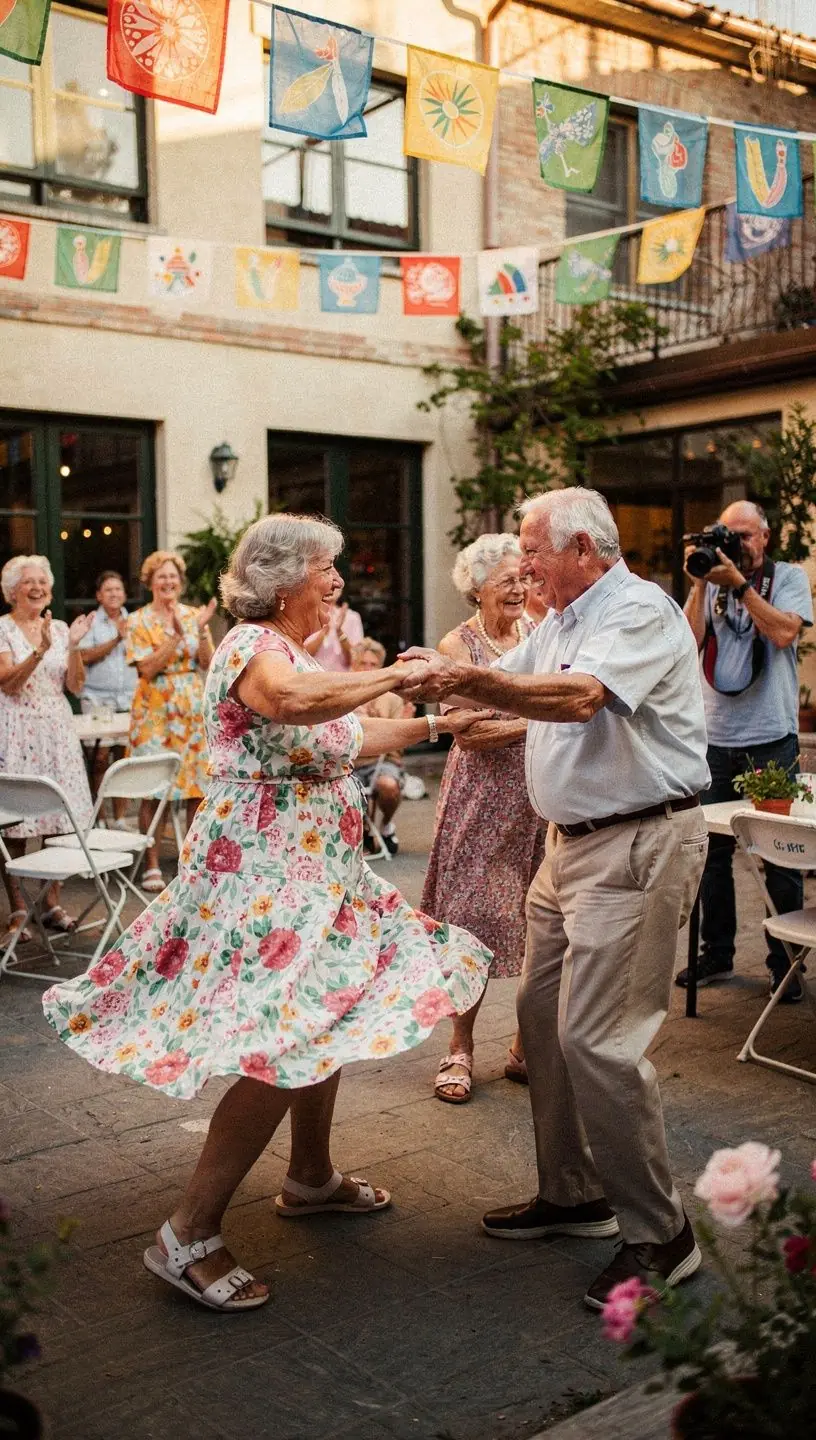
- Weekly Dance Gatherings: Participants are encouraged to join our weekly social dance gatherings, which are structured to promote engagement and camaraderie. Many participants report feeling happier and more connected after just a few sessions.
- Adaptive Dance Techniques: Our programs cater to various ability levels, ensuring that everyone can participate safely and enjoyably. This inclusivity is essential for building confidence and a sense of belonging.
- Feedback and Support: We regularly collect participant feedback to enhance our programs. This iterative approach ensures that we address the specific needs of our community, fostering a supportive environment.
Setting Realistic Expectations
While dance can indeed improve emotional well-being, it is essential to acknowledge that results may vary. Many users report improvements in mood typically after attending sessions for several weeks. Additionally, for some individuals, engaging in new activities like dance may involve an initial learning curve. Participants are encouraged to be patient with themselves as they adapt to this new form of exercise.
Conclusion
In summary, the connection between dance and emotional well-being is well-supported by research, highlighting its benefits in physical activity, social bonding, and creative expression. By participating in dance gatherings at our active aging coaching studios, individuals can expect to enhance not only their physical fitness but also their emotional health. We invite you to join us and discover the uplifting power of dance within a supportive community.
Learn More