Exploring the Benefits of Group Activities for Seniors
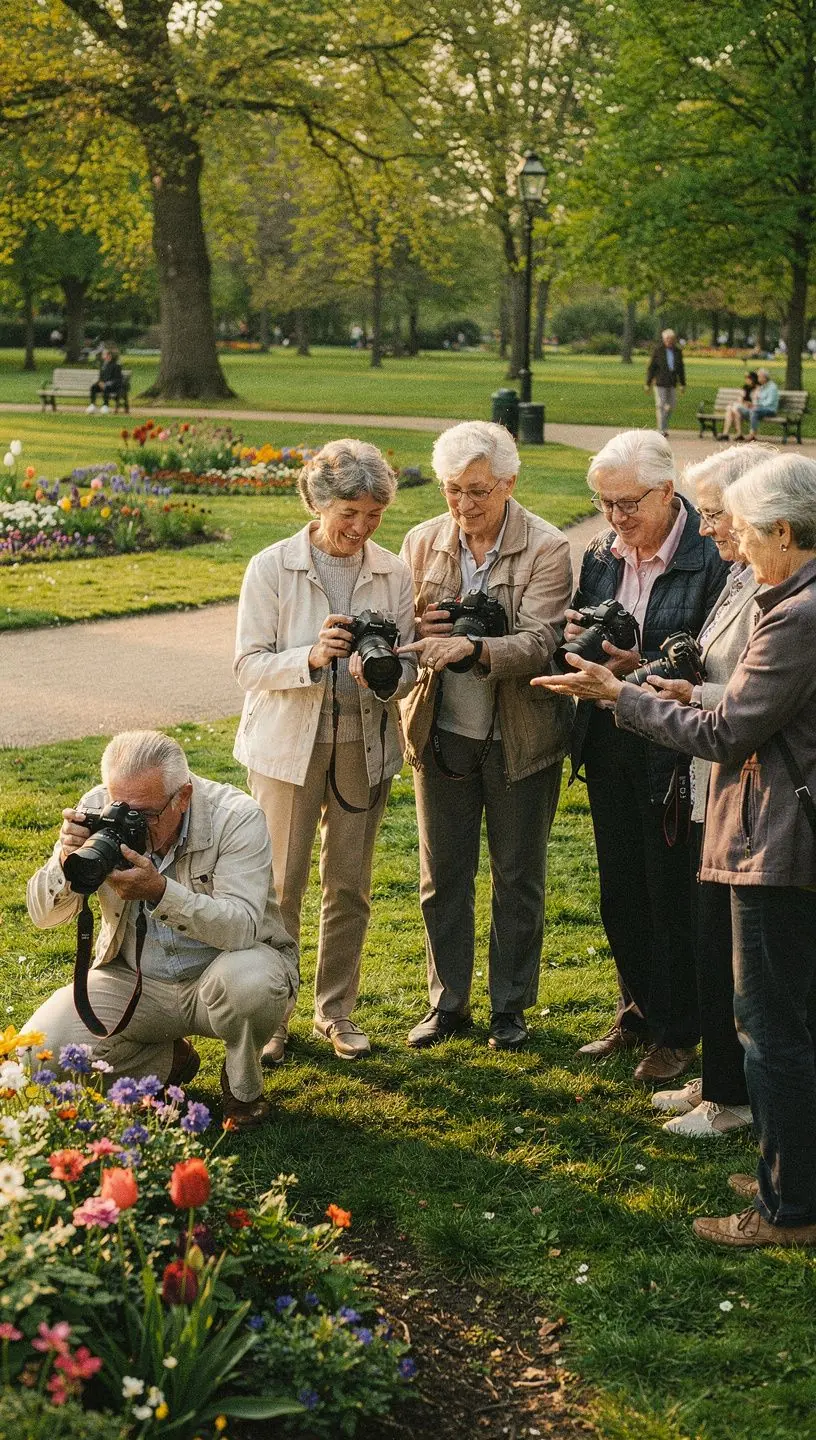
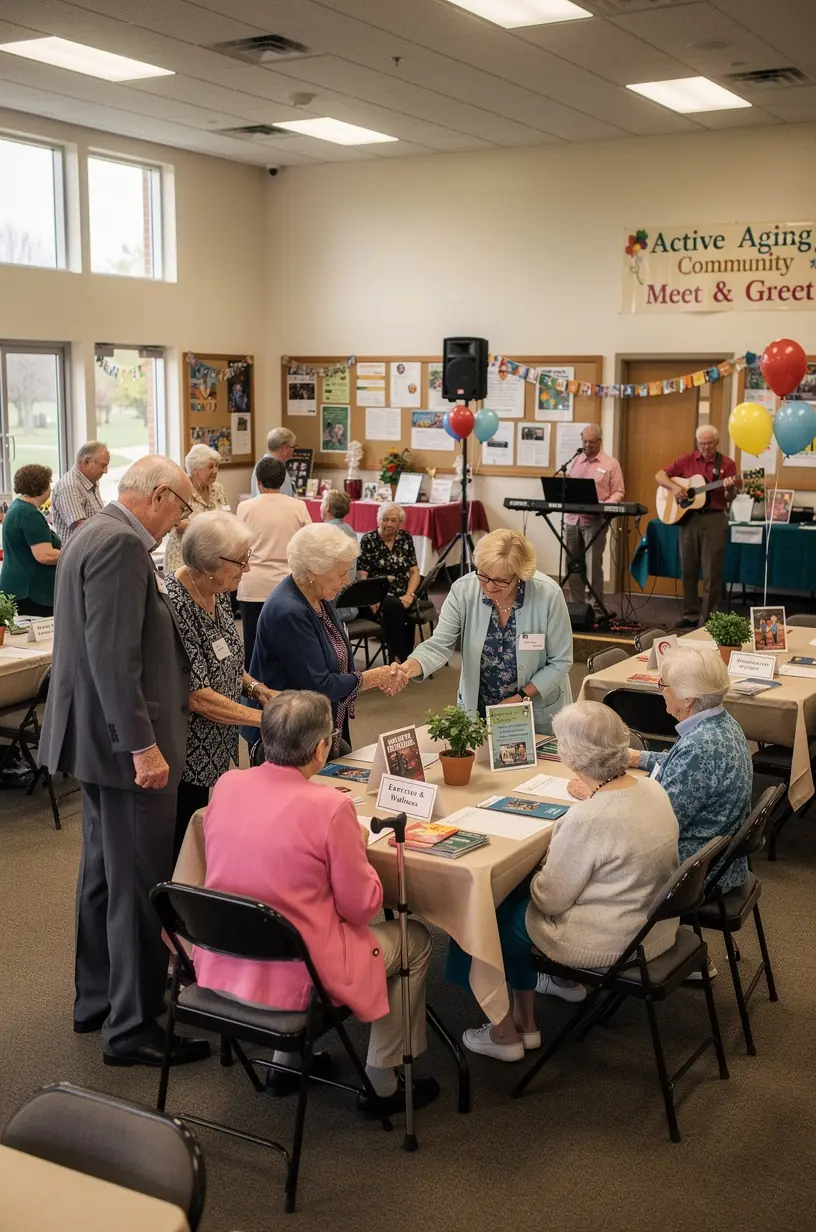
As we age, social engagement and physical activity become increasingly important for maintaining overall well-being. Group activities can play a vital role in fostering connections and enhancing physical health among seniors. This article explores the numerous benefits of participating in group activities and how they can contribute to active aging.
The Importance of Social Interaction
Research indicates that social engagement can significantly improve mental health for seniors. According to a study published in the American Journal of Public Health, older adults who actively engage in social activities are less likely to experience feelings of loneliness and depression. This is largely because social interactions stimulate the brain, encouraging cognitive function and emotional resilience.
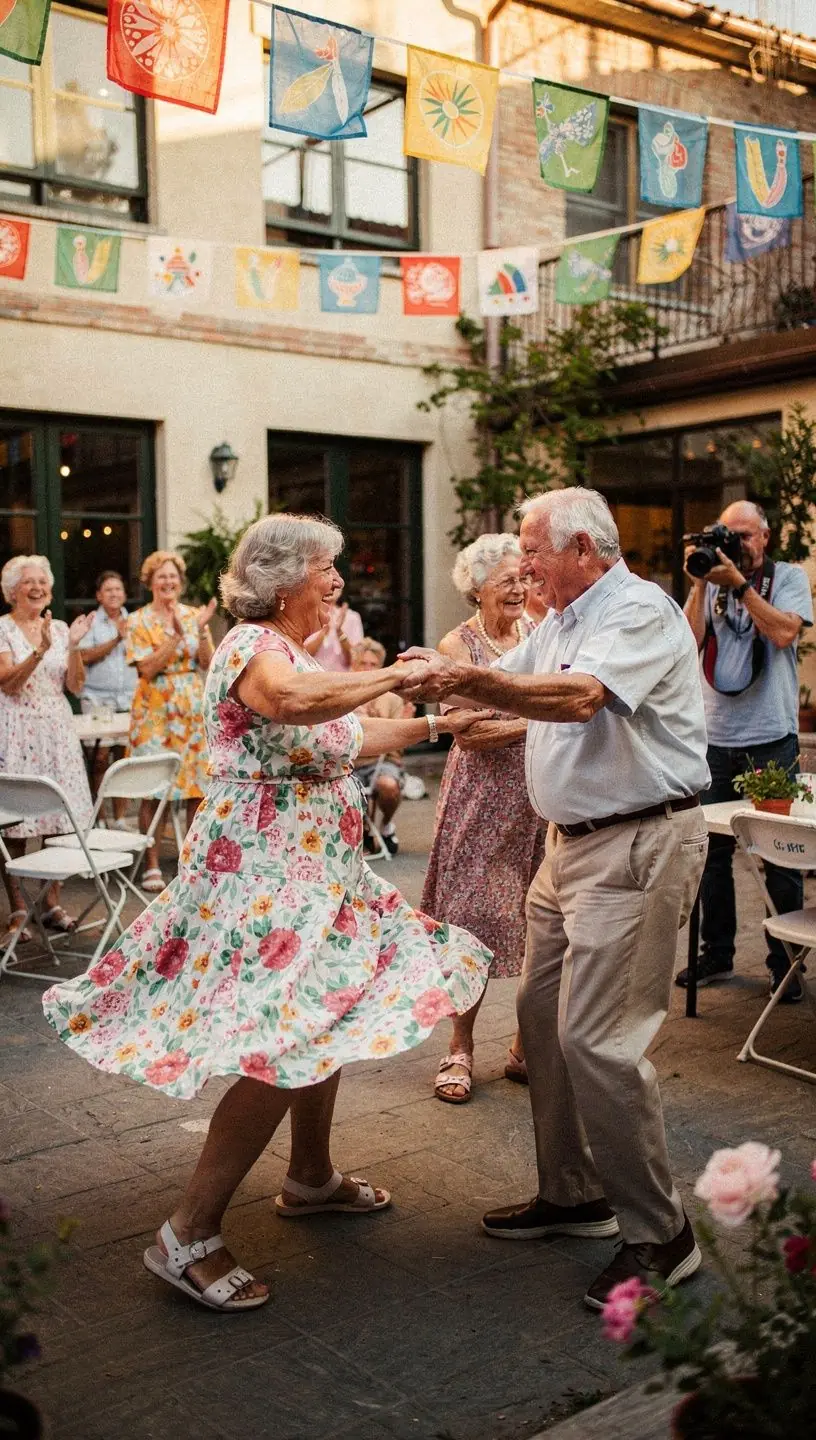
"Social activities are key to maintaining mental sharpness and emotional balance among elderly individuals."
Physical Health Benefits
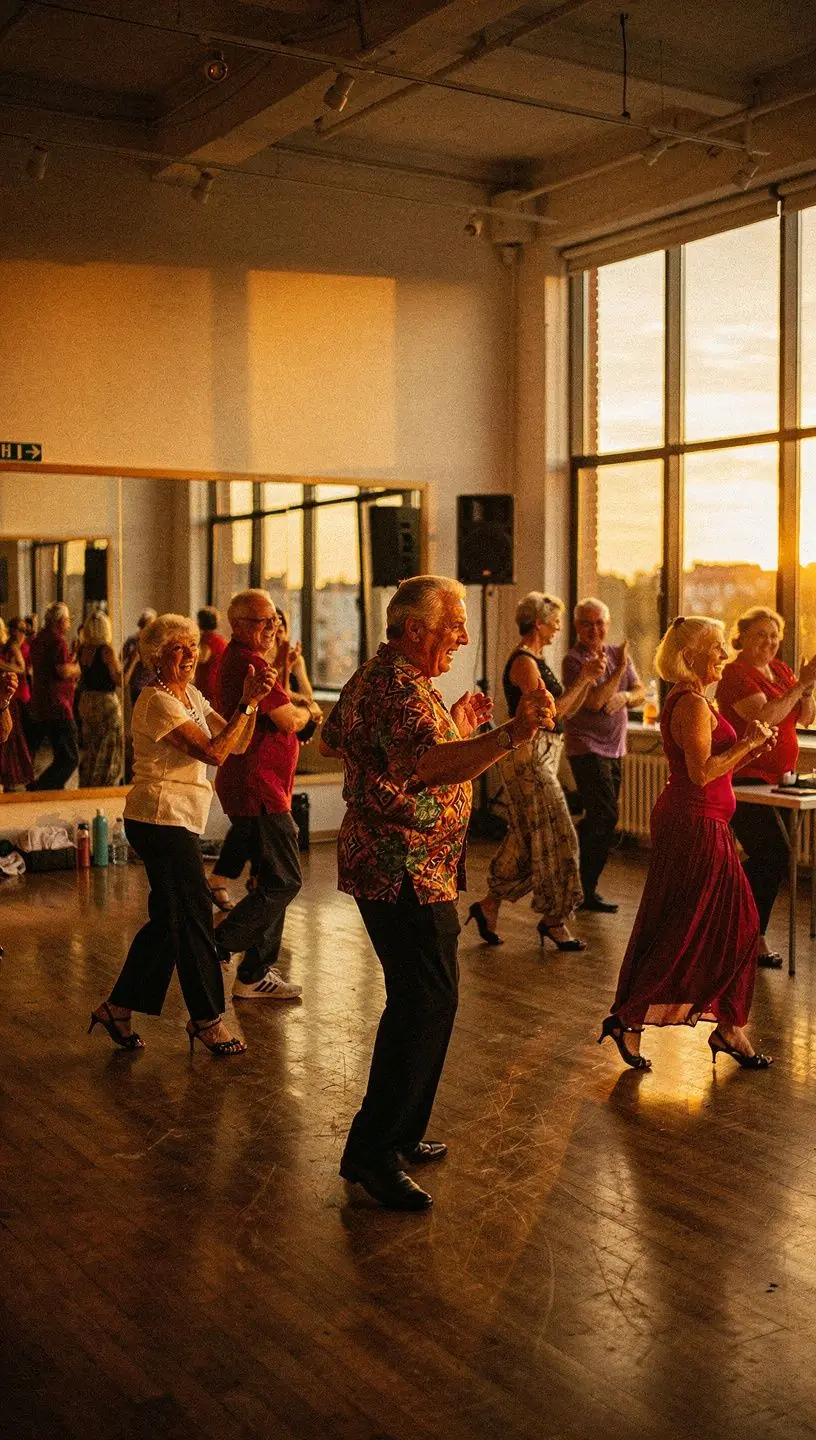
Group activities, particularly those that involve movement such as dance or exercise classes, can provide substantial physical health benefits. Studies show that participating in regular physical activity can reduce the risk of chronic diseases, such as heart disease and diabetes. Engaging in group exercises often encourages seniors to stay committed to their fitness routines, as they can rely on the support and motivation from their peers.
Types of Group Activities
- Social Dance Gatherings: These events not only promote physical movement but also provide a fun social environment.
- Exercise Classes: Many studios offer tailored programs for seniors that focus on balance, flexibility, and strength.
- Art and Craft Workshops: Activities like painting or pottery can enhance creativity and provide therapeutic benefits.
Cognitive Health and Engagement
Participating in group activities can also have a positive impact on cognitive health. According to industry experts, engaging in activities that require mental effort, such as games or learning new skills, can help maintain cognitive function. The principle behind this is that cognitive challenges stimulate brain activity, which can lead to improved memory and problem-solving skills.
Acknowledging Limitations
While the benefits of group activities are evident, it’s essential to recognize some limitations. Participation often requires a time commitment, typically involving weekly sessions. Additionally, individuals may need to adjust to new environments or activities, which can involve a learning curve. It's important to ensure that the chosen activities align with personal interests and physical capabilities to maximize enjoyment and participation.
Conclusion
In conclusion, group activities offer a range of benefits for seniors, from improving mental and physical health to enhancing social connections. By participating regularly, older adults can create a supportive community that fosters engagement and joy. While the commitment may require effort, the potential rewards contribute significantly to active aging. If you are looking to explore such opportunities, consider local studios or community centers that offer tailored programs for seniors.
Learn More