How to Adapt Dance for Different Abilities
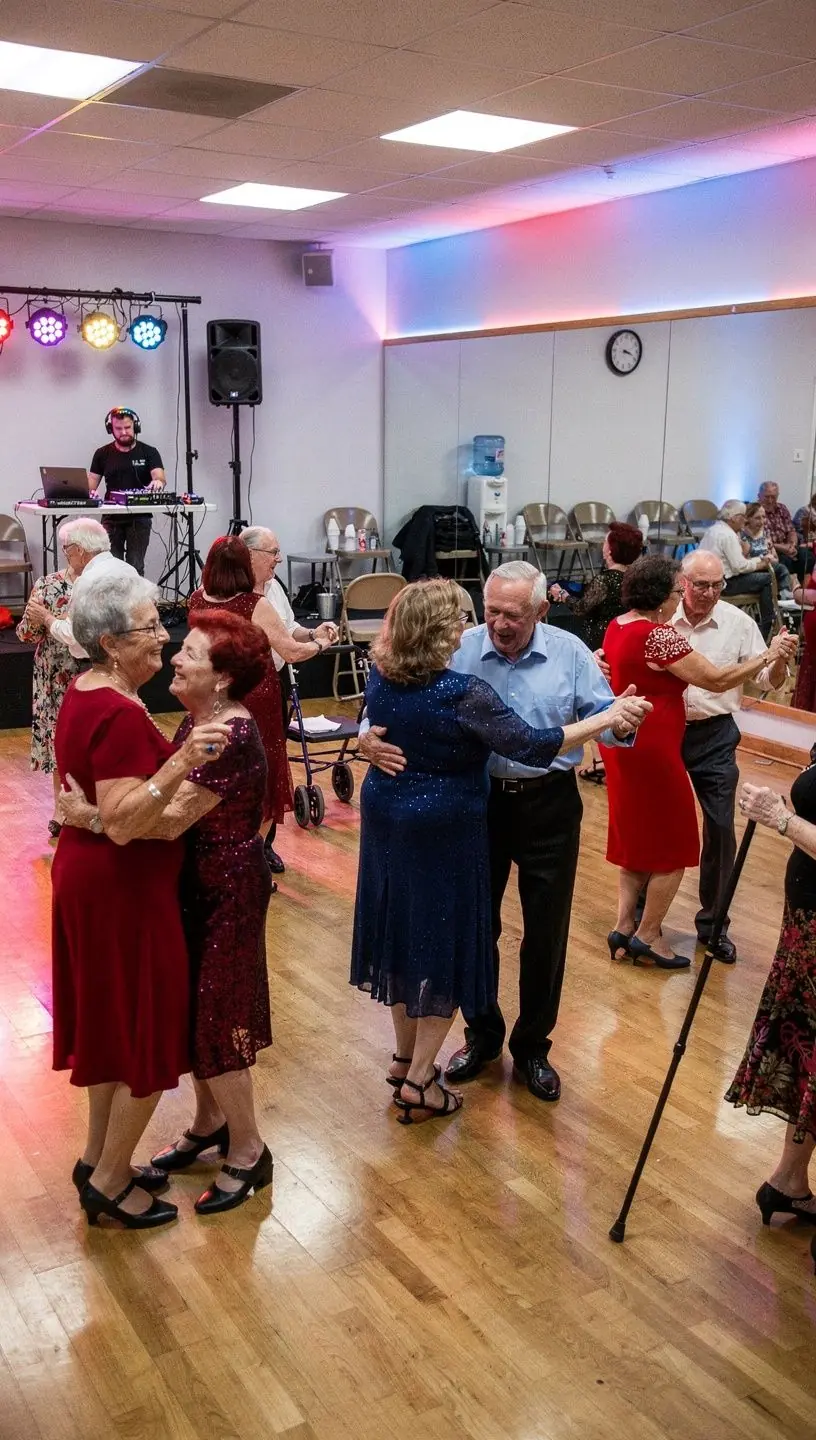
Dance can be a joyful and enriching experience for individuals of all abilities. Understanding how to adapt dance movements to accommodate different skill levels and physical capabilities is essential for creating inclusive environments. This article provides insights into effective strategies for adapting dance, ensuring that everyone can participate and enjoy the benefits.
Understanding the Importance of Adaptation
The key to making dance accessible lies in adapting movements based on individual needs. According to research, inclusive dance programs can significantly enhance physical and mental well-being, fostering social connections and improving overall quality of life. For instance, studies show that engaging in dance can increase balance and coordination, which is particularly beneficial for older adults or those with mobility challenges.
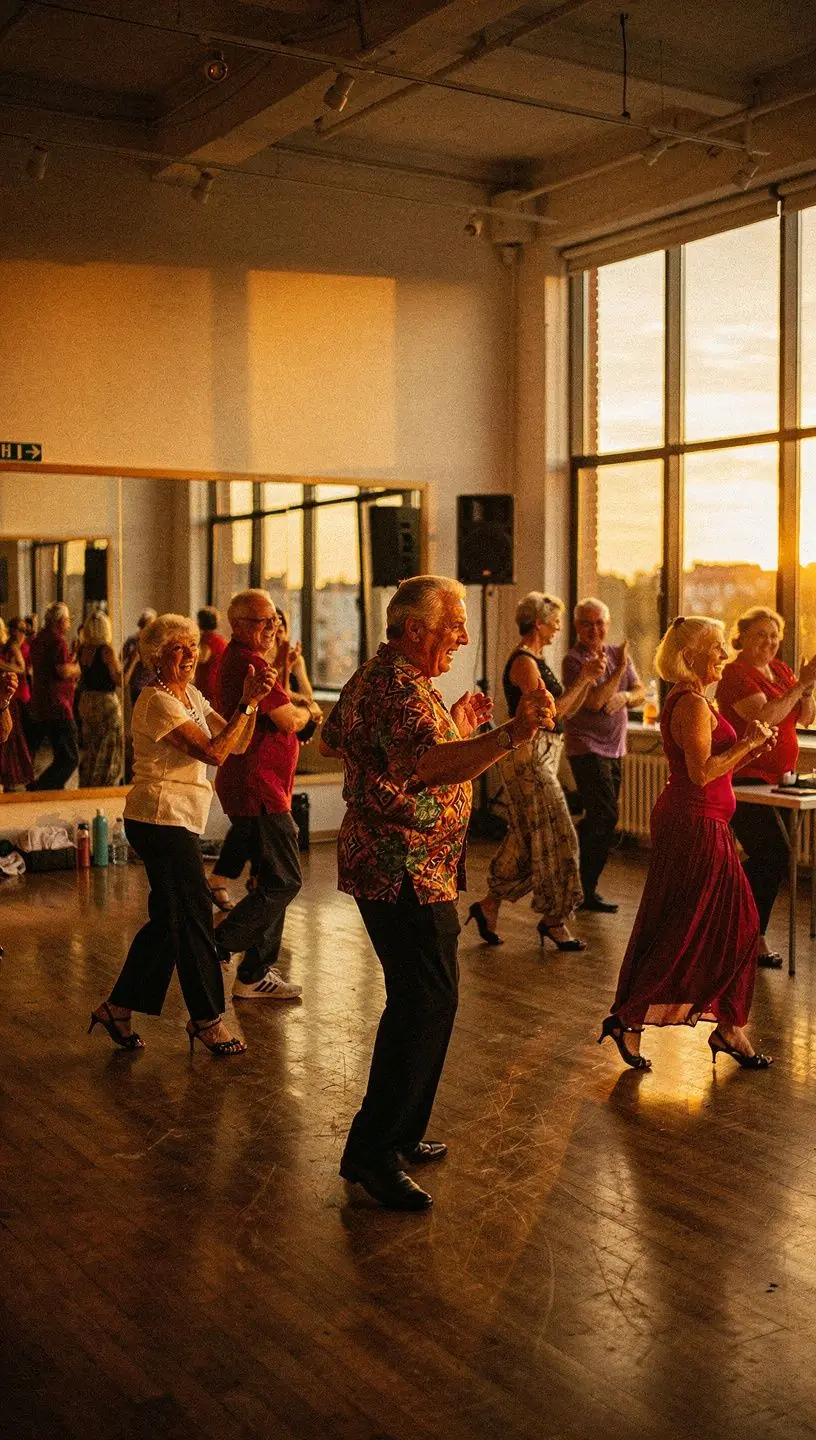
"Adapted dance allows individuals to express themselves creatively, regardless of their physical limitations." - Dance Therapy Journal
Strategies for Adapting Dance
When adapting dance for varying abilities, consider the following strategies:
- Modify Movements: Break down complex steps into simpler components. For example, instead of a full turn, an individual may perform a gentle pivot. This can make the movements more accessible.
- Adjust the Environment: Create a safe and supportive space by minimizing hazards and providing supportive equipment, such as chairs or handrails for stability.
- Incorporate Seated Dance: Many individuals can participate in dance while seated, allowing them to engage with rhythm and movement without the need for standing. Research indicates that seated dance can also enhance flexibility and range of motion.
- Encourage Personal Expression: Allow participants to modify movements based on their comfort levels and preferences, emphasizing creative expression over technical precision.
Recognizing Limitations and Setting Realistic Expectations
It's important to acknowledge the limitations involved in adapting dance. For example, some adaptations may require time for participants to learn and feel comfortable with new movements, often taking weeks of practice. Additionally, adaptations should not compromise the essence of the dance style; therefore, it’s essential to maintain the rhythm and flow of the dance.
In most cases, tailored instruction that considers each participant’s unique capabilities will yield the best results. Engaging a qualified instructor familiar with adaptive dance techniques can enhance the experience and provide proper guidance.
Conclusion
Adapting dance for different abilities is a valuable approach that promotes inclusion and fosters community engagement. By incorporating modifications that respect each individual’s capabilities and preferences, studios can create a welcoming environment where everyone can experience the joy of dance. Remember, consistent practice and patience are key to mastering any new movement, and the benefits of adaptive dance can lead to lasting improvements in physical and emotional health.