Understanding the Psychological Benefits of Social Interaction
As we age, maintaining our mental and emotional well-being becomes increasingly important. Social interaction plays a crucial role in fostering a sense of community and support, which can significantly enhance overall quality of life. In this article, we will explore the psychological benefits of social interaction for active aging, supported by research and expert recommendations.
The Importance of Social Engagement
Social engagement refers to the participation in activities that involve interaction with others, which can range from casual conversations to organized group events. According to research conducted by the National Institute on Aging, social engagement is directly linked to improved mental health outcomes, including reduced rates of depression and anxiety.

How Social Interaction Impacts Mental Health
Studies indicate that individuals who actively participate in social activities often experience enhanced cognitive functioning and emotional resilience. This improvement can be attributed to several factors:
- Enhanced Cognitive Function: Engaging with others stimulates the brain, promoting neural connections and cognitive flexibility. Experts suggest that this can help in reducing the risk of cognitive decline.
- Emotional Support: Regular social interactions provide emotional nourishment, which is vital for psychological well-being. Many users report feeling more supported and understood when they maintain social connections.
- Stress Reduction: Socializing can act as a buffer against stress. According to the American Psychological Association, positive social interactions are linked to lower cortisol levels, which is a hormone associated with stress.
Practical Applications of Social Activities
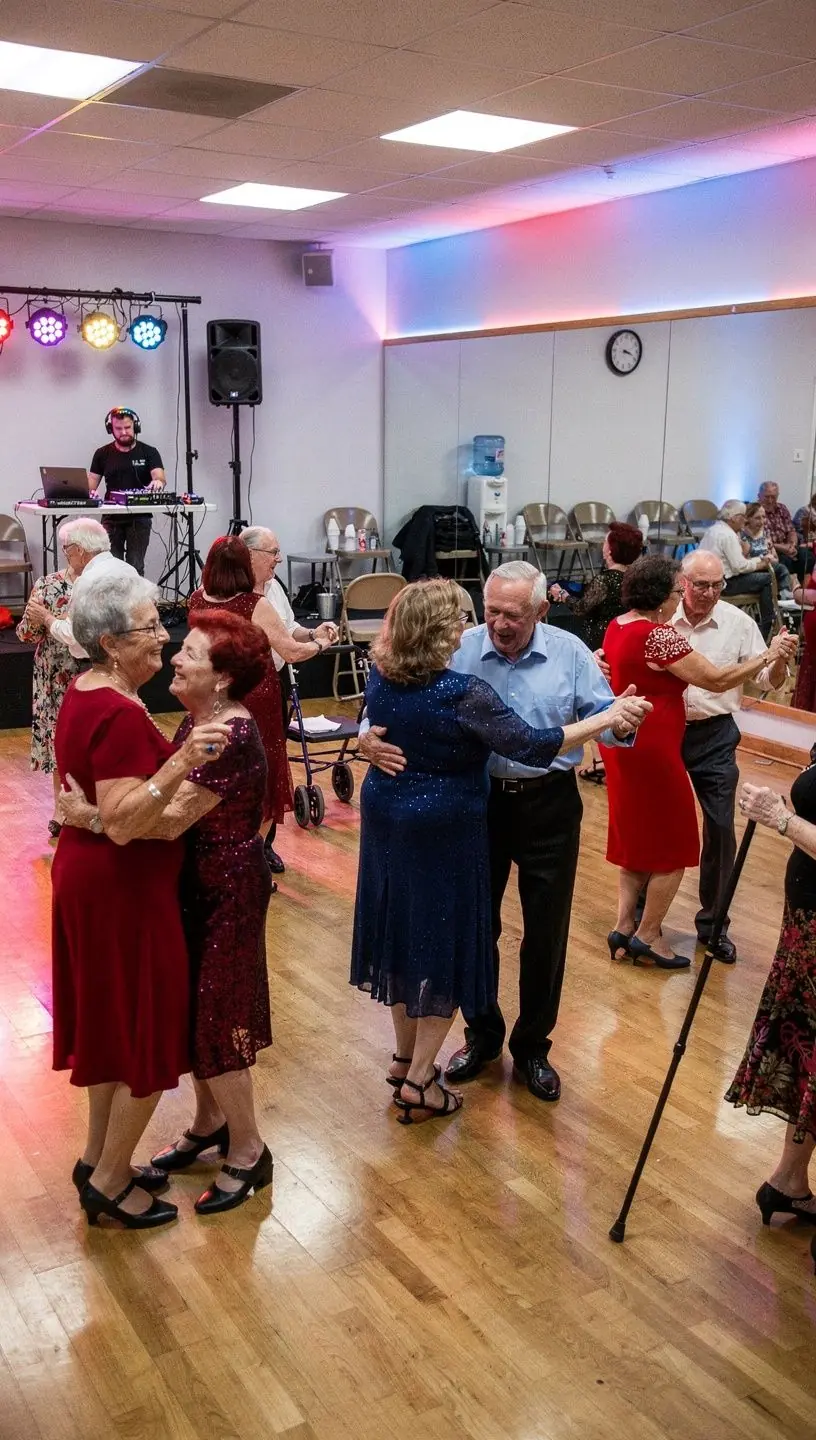
Participating in social dance gatherings, such as those offered by active aging coaching studios, can be a practical way to foster social interaction. Here’s how these activities can be beneficial:
- Physical Engagement: Dance promotes physical activity which, in turn, can enhance mood and reduce feelings of anxiety. Engaging in regular physical exercise has been shown to release endorphins, which are known to elevate mood.
- Building Connections: Weekly gatherings create a consistent opportunity for individuals to meet and form bonds. This continuity is essential for building trust and fostering friendships.
- Skill Development: Learning new dance moves or participating in structured activities can provide a sense of accomplishment and purpose. Research suggests that setting and achieving goals, even small ones, can boost self-esteem and confidence.
"Engaging in regular social activities can significantly improve mental health, providing both emotional support and cognitive benefits." - National Institute on Aging
Acknowledging Limitations
While social engagement offers numerous benefits, it is important to recognize that building meaningful connections typically takes time and effort. Individuals may find that:
- Creating new social relationships requires dedication and a willingness to step outside of comfort zones.
- Results from increased social interaction may take several weeks to manifest, as individuals adjust to new environments and build trust.
- For some, social anxiety or past experiences may pose challenges in engaging with others, and they may benefit from additional support or guidance.
Conclusion
Understanding the psychological benefits of social interaction highlights its importance in promoting active aging. Engaging with others can significantly improve mental health, foster emotional resilience, and enhance overall quality of life. By participating in social activities, such as dance gatherings, individuals can create lasting connections and reap the benefits of an active, engaged lifestyle. As you consider your own social interactions, remember to set realistic expectations and seek opportunities that foster connection and support.
Learn More