Understanding the Importance of Community Engagement
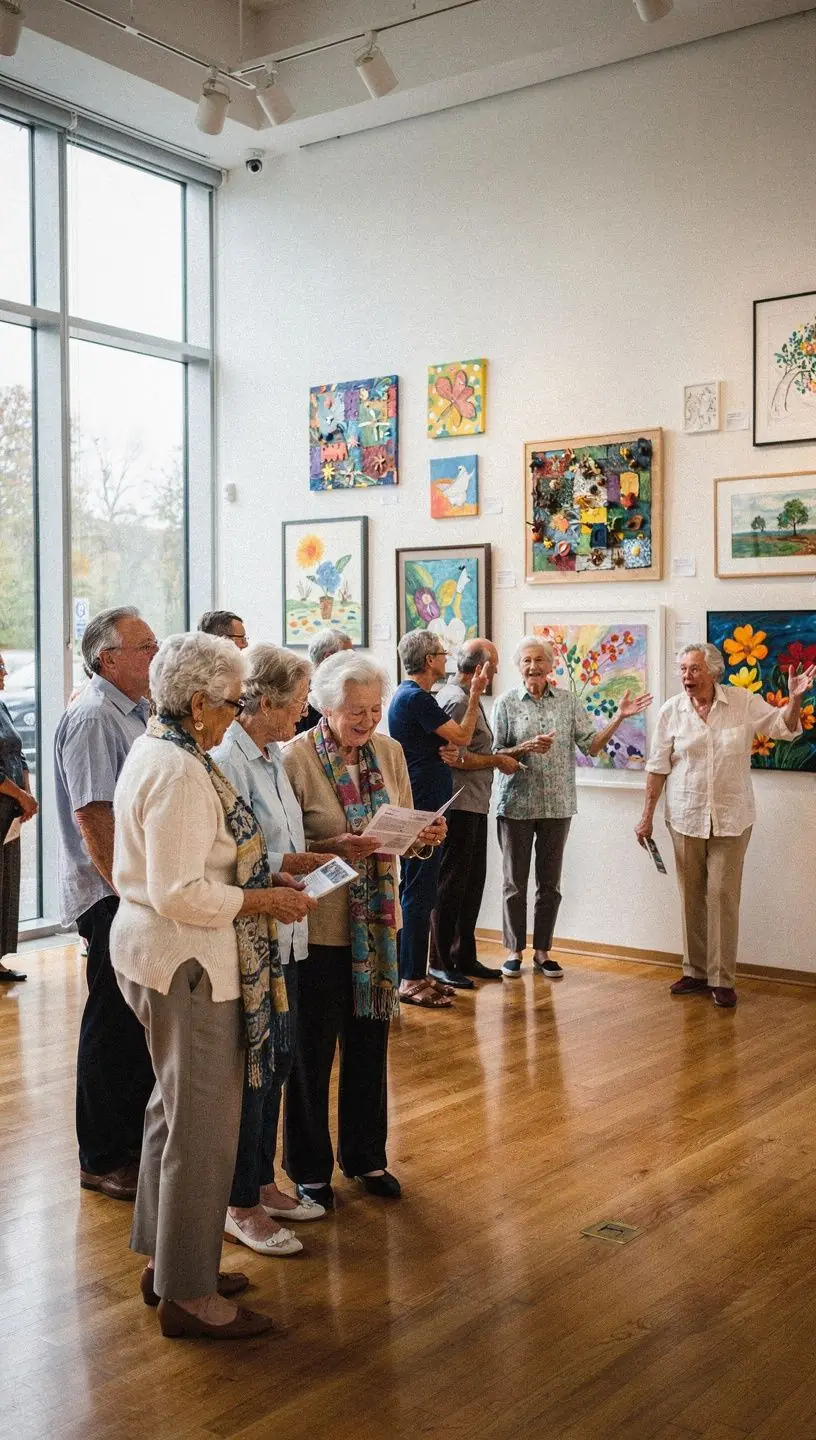
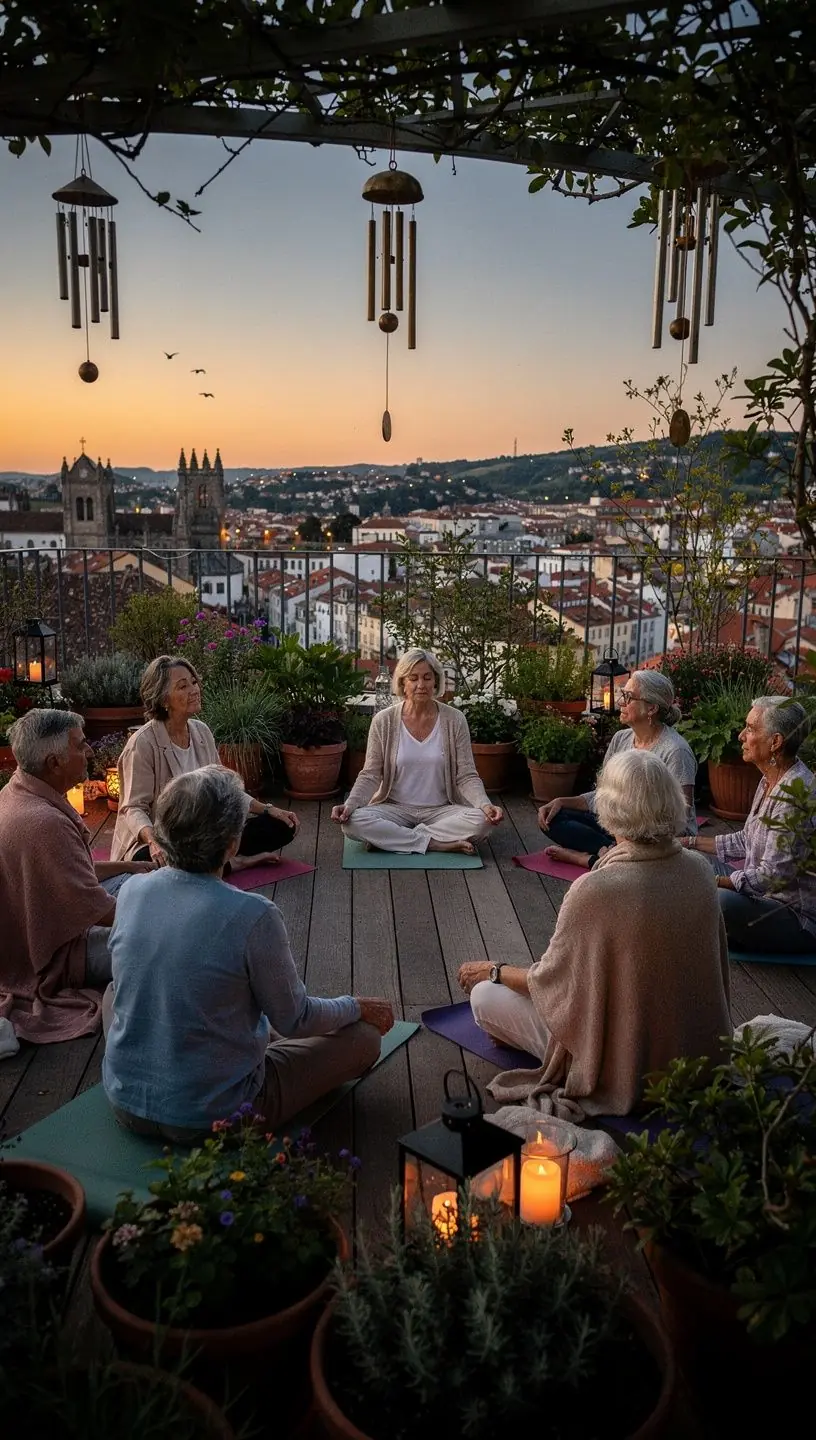
In today's fast-paced world, fostering a sense of community engagement is essential for active aging. As individuals age, maintaining social connections and participating in community activities can contribute significantly to overall well-being. This article explores the importance of community engagement and how it can positively impact the aging process.
Understanding Community Engagement
According to research, community engagement refers to the process through which community members come together to take collective action and generate solutions to common problems. This interaction can be vital in elderly populations, where isolation often leads to mental health issues and decreased quality of life. Many experts recommend that older adults participate in community activities to foster a sense of belonging and purpose.
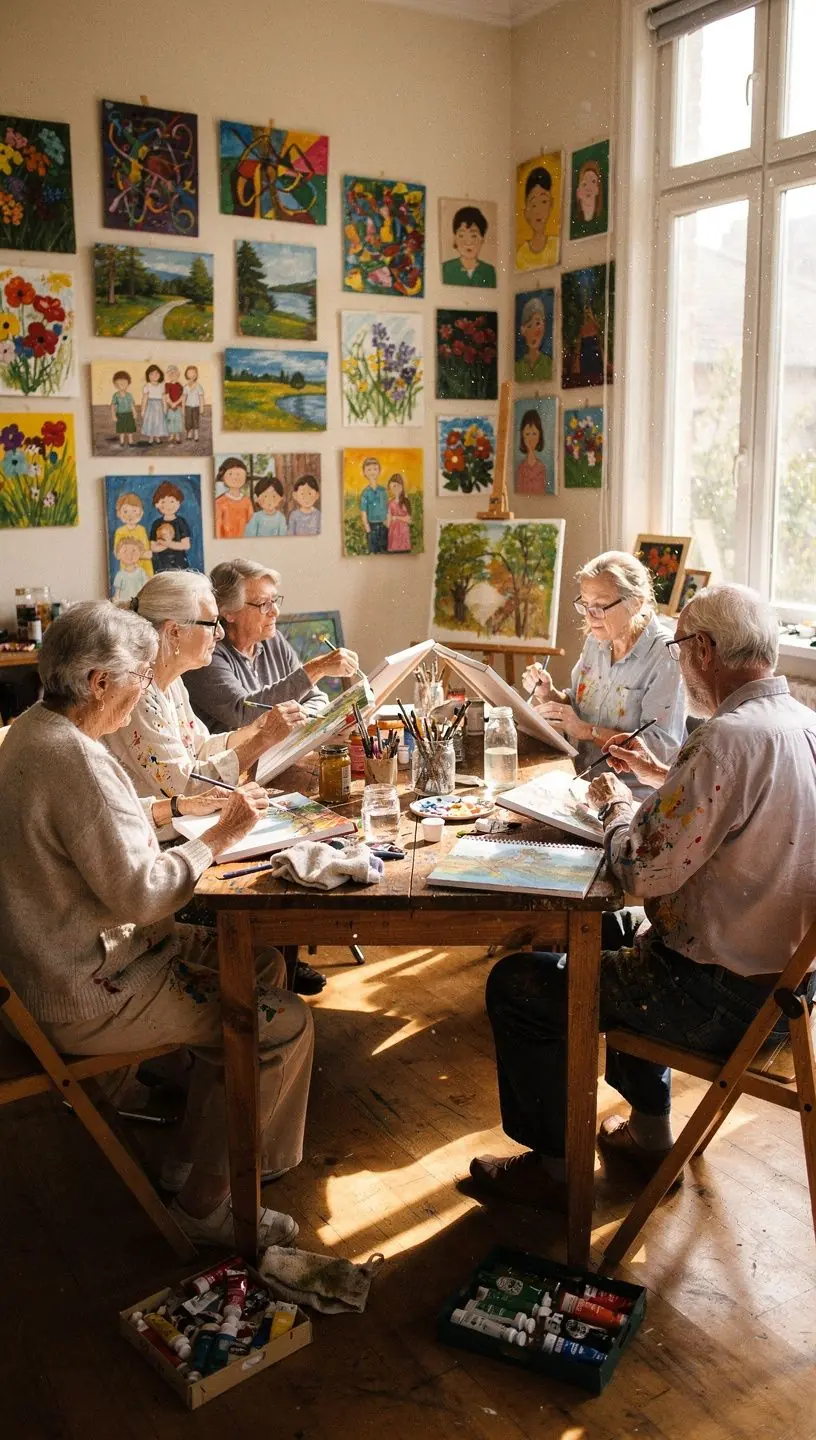
"Social engagement can lead to significant improvements in mental health and cognitive function among older adults."
The Benefits of Community Involvement
Participating in community activities often yields numerous benefits for older adults, including:
- Enhanced Mental Health: Active participation in social settings can help reduce feelings of depression and anxiety. Studies show that seniors who engage with their communities report higher levels of happiness and overall satisfaction.
- Improved Cognitive Function: Regular social interaction is linked to better cognitive function. According to a study published in the Journal of the American Geriatrics Society, seniors who participate in community activities display slower cognitive decline compared to those who are less engaged.
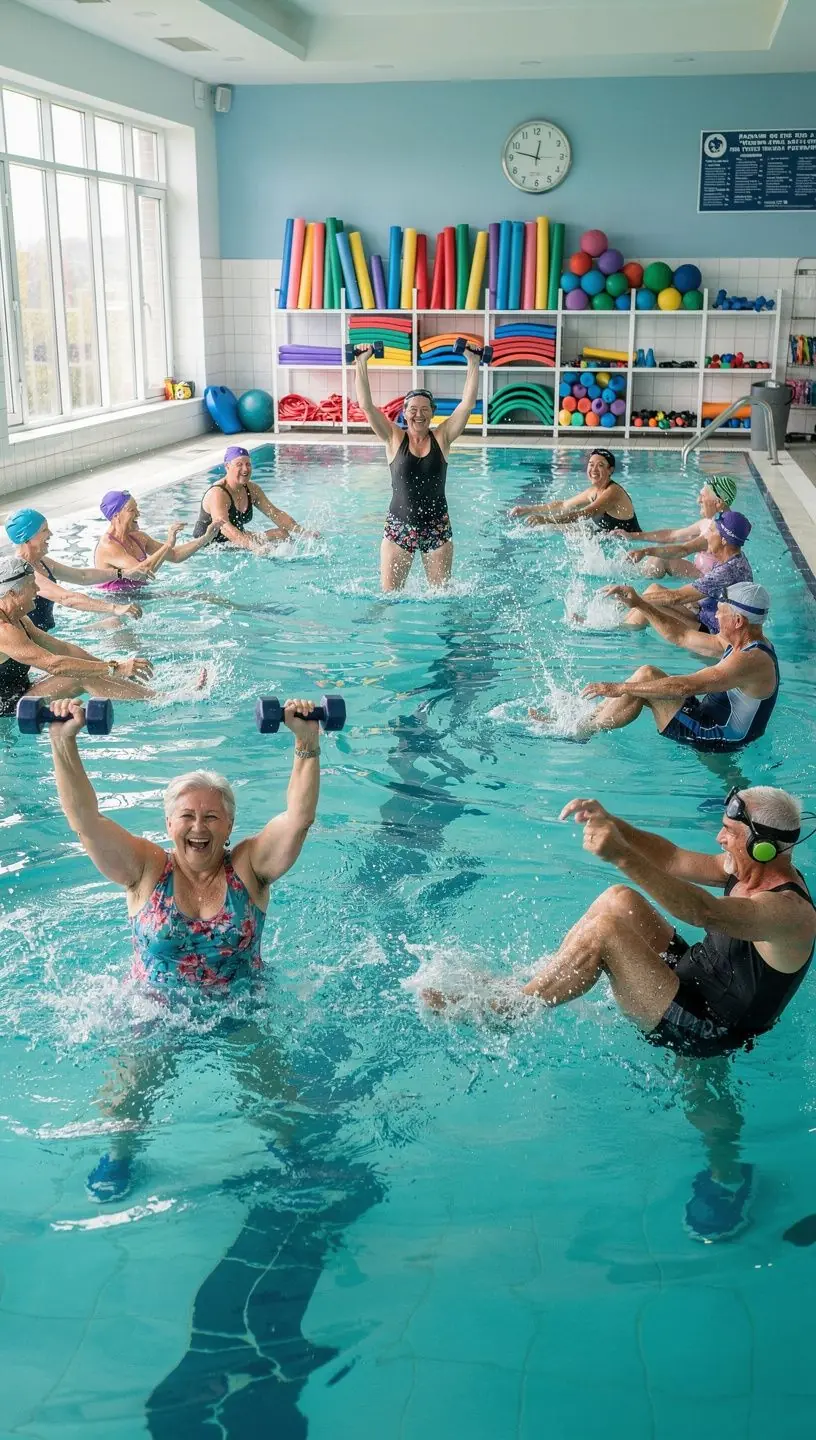
- Stronger Physical Health: Engaging in community programs that incorporate physical activity can lead to improvements in physical health. Activities like dance gatherings or group exercises can help maintain mobility and promote a healthier lifestyle.
How Community Engagement Works
The principle behind community engagement is simple yet powerful: when individuals come together, they share experiences, resources, and support. This mutual interaction can lead to improved self-esteem and the development of new skills. For many older adults, joining a dance class or attending a community gathering provides a platform to connect with others who share similar interests.
Moreover, community programs often involve a structured approach, where participants can progressively build their skills and confidence over time. Many users report that their social networks expand significantly after joining local groups.
Challenges to Community Engagement
While the benefits are clear, it's important to acknowledge that community engagement may not be suitable for everyone. Some older adults may face barriers such as:
- Limited Mobility: Individuals with mobility issues may find it challenging to attend events or activities.
- Lack of Access: In some areas, community programs may not be easily accessible, which can deter participation.
- Social Anxiety: Many older adults may struggle with anxiety in social situations, making it difficult to engage with new groups.
Addressing these barriers often requires time and effort, but the rewards can be significant for those who participate.
Conclusion
In summary, community engagement plays a vital role in promoting active aging. By participating in community activities, older adults can enhance their mental and physical health, build social connections, and increase their overall quality of life. While challenges may exist, many community programs, such as social dance gatherings, can provide a supportive environment for individuals to thrive. Emphasizing a gradual approach to involvement can help those interested in exploring these opportunities make meaningful connections and reap the associated benefits.
Learn More